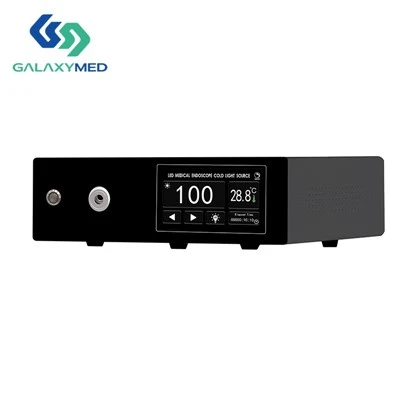
Endoscopy has revolutionized medical diagnostics and treatments, offering minimally invasive procedures that enhance patient outcomes and comfort. As a leading supplier of endoscopy related devices, I understand the critical importance of proper cleaning and maintenance of these sophisticated tools. In this blog, I will delve into the comprehensive process of cleaning endoscopy related devices, sharing insights and best practices that ensure their optimal performance and longevity. Endoscopy Related Devices
Understanding the Importance of Cleaning Endoscopy Devices
Endoscopy devices are used in a variety of medical procedures, including gastrointestinal, respiratory, and urological examinations. These devices come into direct contact with the patient’s body, making them susceptible to contamination by bodily fluids, tissues, and microorganisms. If not properly cleaned and disinfected, these devices can transmit infections from one patient to another, posing a significant risk to patient safety.
Moreover, the accumulation of debris and biofilm on endoscopy devices can affect their functionality, leading to inaccurate diagnostic results and potentially compromising the success of medical procedures. Regular and thorough cleaning of these devices is essential to prevent the buildup of contaminants, maintain their performance, and extend their lifespan.
Pre – cleaning Procedures
The cleaning process for endoscopy related devices begins immediately after use. The first step is to perform pre – cleaning at the point of use, which helps to remove gross debris and prevent the drying of organic matter on the device. This is crucial as dried debris is much more difficult to remove during subsequent cleaning steps.
- Immediate Flushing: As soon as the endoscopy procedure is completed, the device should be flushed with water to remove any visible blood, mucus, or tissue fragments. For flexible endoscopes, the internal channels should be flushed using a syringe to ensure that all debris is removed from these hard – to – reach areas.
- Leak Testing: Before proceeding with further cleaning, a leak test should be performed on flexible endoscopes. Leaks can compromise the effectiveness of the cleaning and disinfection process and may also pose a risk to patient safety. Leak testing kits are available, and the test should be carried out according to the manufacturer’s instructions.
- Disassembly: If the endoscopy device can be disassembled, it should be taken apart carefully. This allows for more thorough cleaning of all components, especially those hidden areas where debris can accumulate. However, disassembly should be done in strict accordance with the manufacturer’s guidelines to avoid damage to the device.
Manual Cleaning
After pre – cleaning and leak testing, the endoscopy device undergoes manual cleaning. This step is essential for removing stubborn debris and biofilm from the device’s surfaces and internal channels.
- Detergent Selection: A suitable enzymatic detergent should be used for manual cleaning. Enzymatic detergents contain enzymes that break down organic matter, such as proteins, fats, and carbohydrates. The detergent should be compatible with the endoscopy device and should be used at the recommended concentration and temperature.
- Brushing: All accessible surfaces of the endoscopy device, including the insertion tube, control section, and internal channels, should be brushed using soft – bristled brushes. The brushes should be of the appropriate size to fit the channels and should be used gently to avoid scratching the device. Special attention should be given to the distal tip of the endoscope, as this area is in direct contact with the patient’s body and is more likely to be contaminated.
- Rinsing: After brushing, the device should be thoroughly rinsed with clean water to remove all traces of the detergent and debris. The internal channels should be flushed multiple times to ensure complete removal of the cleaning solution.
Automated Cleaning
In addition to manual cleaning, automated cleaning machines are often used to clean endoscopy related devices. These machines provide a standardized and consistent cleaning process, reducing the risk of human error.
- Machine Selection: There are various types of automated endoscope reprocessors available on the market. When selecting a machine, factors such as the type of endoscopes to be cleaned, the throughput requirements, and the machine’s features and capabilities should be considered. The machine should be compatible with the endoscopy devices and should meet the relevant regulatory standards.
- Program Selection: Most automated reprocessors have pre – programmed cleaning cycles. The appropriate cycle should be selected based on the type of endoscope and the level of contamination. The cycle typically includes a series of steps, such as pre – rinse, detergent wash, intermediate rinse, disinfection, and final rinse.
- Monitoring and Maintenance: Regular monitoring and maintenance of the automated cleaning machine are essential to ensure its proper functioning. This includes checking the water quality, the detergent and disinfectant levels, and the machine’s performance. Any malfunctions or deviations from the normal operation should be addressed immediately.
Disinfection and Sterilization
After cleaning, endoscopy devices need to be disinfected or sterilized to eliminate any remaining microorganisms. The choice between disinfection and sterilization depends on the type of endoscopy procedure and the level of risk associated with the device.
- High – level Disinfection: For semi – critical endoscopy devices, such as flexible endoscopes, high – level disinfection is usually sufficient. High – level disinfectants, such as glutaraldehyde, ortho – phthalaldehyde, and peracetic acid, are commonly used. The device should be immersed in the disinfectant solution for the recommended contact time, which is typically 20 – 45 minutes. After disinfection, the device should be rinsed thoroughly with sterile water to remove all traces of the disinfectant.
- Sterilization: For critical endoscopy devices, such as surgical endoscopes, sterilization is required. Sterilization methods include steam sterilization, ethylene oxide sterilization, and hydrogen peroxide gas plasma sterilization. Each method has its advantages and limitations, and the appropriate method should be selected based on the device’s material and design.
Drying and Storage
Proper drying and storage of endoscopy devices are crucial to prevent the growth of microorganisms and to maintain the device’s integrity.
- Drying: After disinfection or sterilization, the endoscopy device should be dried completely. This can be done using a forced – air dryer or by flushing the internal channels with 70% – 90% isopropyl alcohol followed by air. Drying helps to remove any residual moisture, which can promote the growth of bacteria and fungi.
- Storage: The dried endoscopy device should be stored in a clean, dry, and well – ventilated area. Flexible endoscopes should be stored in a hanging position to prevent kinking and damage. The storage area should be protected from dust, moisture, and direct sunlight.
Quality Control and Documentation
To ensure the effectiveness of the cleaning and disinfection process, quality control measures should be implemented.
- Monitoring: Regular monitoring of the cleaning process is essential. This includes checking the water quality, the pH and concentration of the cleaning and disinfecting solutions, and the performance of the cleaning machines. Biological indicators can also be used to monitor the effectiveness of the disinfection and sterilization processes.
- Documentation: Detailed documentation of the cleaning, disinfection, and sterilization processes is required. This includes information such as the date and time of cleaning, the type of detergent and disinfectant used, the contact time, and the results of any quality control tests. Documentation helps to ensure traceability and accountability and can be used for compliance purposes.
Conclusion
Proper cleaning of endoscopy related devices is a multi – step and complex process that requires careful attention to detail and strict adherence to established protocols. As a supplier of these vital medical devices, I am committed to providing not only high – quality products but also the knowledge and support needed to ensure their proper maintenance.
By following the cleaning and disinfection guidelines outlined in this blog, medical facilities can significantly reduce the risk of healthcare – associated infections, improve the accuracy of diagnostic procedures, and extend the lifespan of their endoscopy devices.
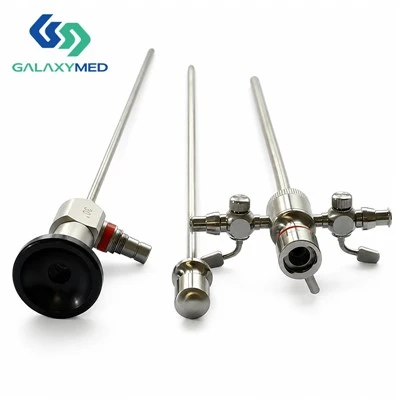
Urology Device If you are interested in learning more about our endoscopy related devices or need assistance with the cleaning and maintenance of your existing equipment, I encourage you to reach out to us. Our team of experts is ready to engage in a productive discussion about your procurement needs and provide you with tailored solutions. Let’s work together to enhance patient care and safety through the proper use and maintenance of endoscopy devices.
References
- Rutala, W. A., & Weber, D. J. (2004). Healthcare Infection Control Practices Advisory Committee (HICPAC). Guideline for Disinfection and Sterilization in Healthcare Facilities, 2008. CDC.
- Association for the Advancement of Medical Instrumentation (AAMI). (2019). ANSI/AAMI ST95:2019, Reprocessing Medical Flexible Endoscopes.
- World Health Organization (WHO). (2019). Best practices for prevention and control of infections associated with endoscopy.
Galaxymed Technology Co., Ltd.
As one of the most professional endoscopy related devices suppliers in China, we’re featured by good quality products and in-time service. Please rest assured to buy hospital grade endoscopy related devices made in China here and get quotation from our factory. Also, small qty acceptable.
Address: 88 Dongchang Road, Suzhou Industrial Park, Suzhou City, Jiangsu Province, China
E-mail: Sales@galaxymed.com.cn
WebSite: https://www.galaxy-medic.com/
