What are the common problems with gravel bike frames?
As a gravel bike frame supplier deeply entrenched in the cycling industry, I’ve witnessed firsthand the rapid evolution of gravel bikes. These versatile machines are designed to tackle a variety of terrains, from smooth gravel paths to rough, off – road trails. However, like any product, gravel bike frames come with their fair share of common problems. In this blog post, I’ll delve into these issues, sharing insights based on years of experience and industry knowledge. Gravel Bike Frame
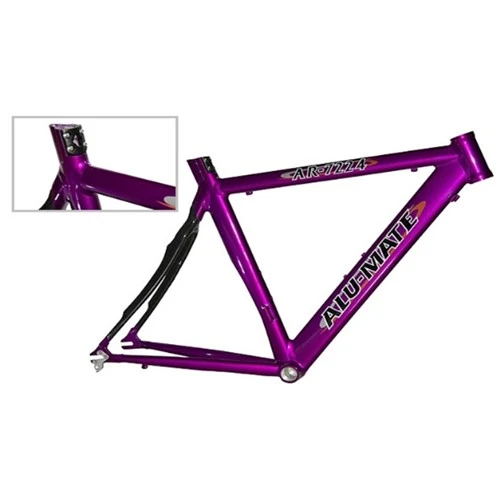
Material – related problems
One of the most significant factors in the performance and durability of a gravel bike frame is the material it’s made from. The three most common materials for gravel bike frames are aluminum, steel, and carbon fiber, each with its own set of potential problems.
Aluminum frames are popular due to their lightweight nature and affordability. However, they are prone to a few issues. One common problem is fatigue cracking. Aluminum has a lower fatigue life compared to some other materials. Over time, repeated stress from riding on rough gravel roads can cause small cracks to form in the frame, especially in areas with high stress concentration, such as the welds. These cracks can gradually grow and eventually lead to frame failure. Another issue is corrosion, although modern aluminum frames are often treated to resist it. If the protective coating is damaged, the aluminum can start to corrode, especially in wet or salty environments.
Steel frames are known for their durability and smooth ride quality. But they also have drawbacks. The most obvious one is their weight. Steel is denser than aluminum and carbon fiber, which can make the overall bike heavier. A heavier bike can be more difficult to pedal, especially on longer rides or when climbing hills. Additionally, steel frames are susceptible to rust. If the frame’s paint or protective finish is scratched, water can come into contact with the steel, leading to rust formation. Rust not only looks bad but can also weaken the frame over time.
Carbon fiber frames offer an excellent strength – to – weight ratio, making them a top choice for many high – end gravel bikes. However, they are not without problems. Carbon fiber is brittle, and it can be damaged by sharp impacts. A hard enough hit from a rock or a fall can cause the carbon fibers to break, creating a hidden crack. These cracks can be difficult to detect, as they may not be visible on the surface. Once a carbon fiber frame has a crack, its structural integrity is compromised, and it may need to be replaced. Another issue is the high cost of carbon fiber frames compared to aluminum and steel, which can be a deterrent for some consumers.
Geometry and fit issues
The geometry of a gravel bike frame plays a crucial role in the bike’s handling and the rider’s comfort. Incorrect geometry can lead to several problems.
Reach and stack are two important measurements in bike geometry. The reach is the horizontal distance from the bottom bracket to the top of the head tube, while the stack is the vertical distance. If the reach is too long, the rider may feel stretched out, which can lead to discomfort in the back, neck, and shoulders over long rides. Conversely, if the reach is too short, the rider may feel cramped, restricting their movement and reducing power output.
Chainstay length also affects the bike’s handling. A shorter chainstay generally provides more agile handling, as it allows the bike to change direction more quickly. However, it can also make the bike less stable at high speeds. On the other hand, a longer chainstay makes the bike more stable but can make it feel less responsive in tight turns.
Bottom bracket height is another critical factor. A too – high bottom bracket can make the bike feel tippy and less stable, especially when cornering at high speeds. A low bottom bracket, while providing better stability, can increase the risk of the pedals hitting the ground on rough terrain.
Manufacturing and finishing problems
Even with the best design and materials, manufacturing and finishing processes can introduce problems in gravel bike frames.
Welding defects are a common issue, especially in aluminum and steel frames. Poorly welded joints can lead to weak points in the frame. These weak points may not be immediately apparent but can cause the frame to fail under stress. Welding defects can include incomplete penetration, porosity, or cracks in the welds.
Paint and finish quality also matters. A poor paint job can lead to early chipping and peeling, exposing the underlying material to the elements. In the case of steel frames, this can accelerate rust formation. Additionally, a rough or uneven finish can be uncomfortable for the rider, especially if it comes into contact with clothing or gear.
Frame alignment is crucial for proper bike performance. If the frame is not correctly aligned during manufacturing, the wheels may not be centered, which can cause uneven tire wear and handling issues. Misaligned frames can also put additional stress on the components, leading to premature wear and failure.
Compatibility problems
Gravel bike frames need to be compatible with a wide range of components. Compatibility issues can be a major headache for both cyclists and bike shops.
Brake compatibility is an important consideration. Different gravel bike frames are designed to accommodate different types of brakes, such as disc brakes or rim brakes. Some frames may only work with specific brake calipers or rotor sizes. If a cyclist tries to install incompatible brakes, it can lead to poor braking performance, uneven braking, or even safety hazards.
Drivetrain compatibility is another area of concern. The frame needs to be able to fit the chosen drivetrain components, including the chainset, derailleurs, and chain. Incompatible drivetrains can cause shifting problems, such as missed shifts or chain dropping.
Tire clearance is also a significant issue in gravel bikes. Gravel riders often prefer wider tires for better traction and comfort on rough terrain. If the frame does not have enough tire clearance, the tires may rub against the frame or the brakes, which can cause damage to the tires and affect the bike’s performance.
How we address these problems as a supplier
At our company, we take these common problems very seriously. We use high – quality materials and advanced manufacturing techniques to minimize material – related issues. For example, we carefully select our aluminum and steel alloys to ensure they have the right balance of strength and durability. In the case of carbon fiber frames, we subject them to rigorous testing to detect any potential cracks or defects.
We pay close attention to frame geometry, working with experienced designers and cyclists to create frames that offer a comfortable and efficient riding experience. Our frames undergo extensive testing on various terrains to ensure the geometry is optimized for gravel riding.
In terms of manufacturing and finishing, we have strict quality control processes in place. Our welders are highly skilled, and we use advanced welding techniques to ensure strong and reliable joints. We also apply high – quality paints and finishes to protect the frames and give them an attractive appearance.
To address compatibility problems, we provide detailed compatibility information for our frames. We work closely with component manufacturers to ensure our frames are designed to work seamlessly with a wide range of brakes, drivetrains, and tires.
Conclusion
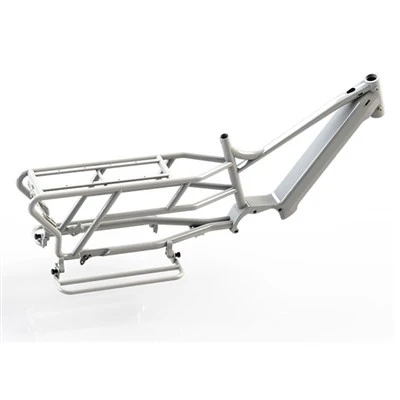
Gravel bike frames, despite their many advantages, can face several common problems related to materials, geometry, manufacturing, and compatibility. As a gravel bike frame supplier, we are committed to providing high – quality frames that minimize these issues. By understanding these problems and taking proactive measures to address them, we can ensure that cyclists have a safe, comfortable, and enjoyable riding experience on our gravel bikes.
E Bike Frame If you are in the market for gravel bike frames and are looking for a reliable supplier that prioritizes quality and performance, we would love to hear from you. Contact us to discuss your requirements and explore how our gravel bike frames can meet your needs.
References
- "Bicycle Frame Design and Technology" by Frank Berto
- "The Bicycle Wheel" by Jobst Brandt
- Industry reports and research on gravel bike manufacturing and performance.
ALU-MATE Metal Industrial Co., Ltd.
As one of the most professional gravel bike frame manufacturers and suppliers in Taiwan, we have world-leading production equipment and strong manufacturing capabilities. We warmly welcome you to wholesale advanced gravel bike frame from our factory. Contact us for customized service and OEM service.
Address: NO.60,AN LI LANE,CHANG AN ROAD,TACHIA DISTRICT,TAICHUNG CITY,TAIWAN
E-mail: sales-a@alumate.com.tw
WebSite: https://www.alu-mate.com/
