Hey there! I’m a supplier in the food packaging solutions business. You know, one of the hot topics these days in our industry is the biodegradation rates of different food packaging solutions. It’s not just a buzzword; it’s something that really matters to us, our customers, and the environment. Food Packaging Solutions
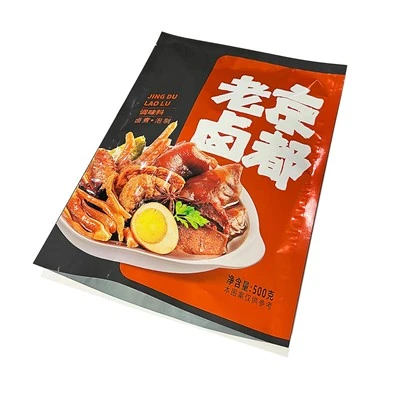
Let’s start with plastic packaging. Plastic has been a go – to for food packaging for ages. It’s cheap, lightweight, and can keep food fresh. But here’s the deal: most traditional plastics, like polyethylene and polypropylene, are a nightmare when it comes to biodegradation. They can take hundreds of years to break down. That’s because they’re made up of long – chain polymers that microorganisms in the environment have a hard time digesting.
For instance, a plastic water bottle can take around 450 years to decompose in a landfill. And when we talk about food – grade plastic containers, the story is pretty much the same. They sit in landfills, taking up space and leaching potentially harmful chemicals into the soil and water over time. It’s a real problem, especially considering how much plastic food packaging is used every day around the world.
Now, let’s move on to paper packaging. Paper is often seen as a more eco – friendly alternative. And in many ways, it is. Paper is made from wood pulp, which is a renewable resource. The biodegradation rate of paper is much faster than that of plastic. In a composting environment, a simple paper bag can break down in just a few weeks to a few months.
However, it’s not all sunshine and rainbows. A lot of paper food packaging is coated with wax or plastic to make it waterproof or grease – resistant. This coating can slow down the biodegradation process significantly. For example, a wax – coated paper cup might take several months to a year to break down, depending on the conditions. And some of these coatings can also release harmful substances during decomposition.
Another option is biodegradable plastics. These are designed to break down more quickly than traditional plastics. There are different types of biodegradable plastics, like polylactic acid (PLA). PLA is made from renewable resources such as corn starch or sugarcane. In an industrial composting facility, PLA can break down in about three to six months.
But there’s a catch. Industrial composting facilities are not available everywhere. If biodegradable plastics end up in a regular landfill, they may not break down as quickly because landfills often lack the right conditions (like oxygen, heat, and the right microorganisms) for efficient decomposition. So, while biodegradable plastics are a step in the right direction, we still need to improve the infrastructure to make the most of them.
Then there’s glass packaging. Glass is 100% recyclable, and it doesn’t biodegrade in the traditional sense because it’s an inorganic material. However, it can be recycled indefinitely without losing its quality. When it comes to food packaging, glass is great for preserving the taste and quality of food. It doesn’t leach any chemicals, and it’s a very safe option. But it’s heavy, which means higher transportation costs and more energy consumption during shipping.
Metal packaging, like aluminum cans and tin cans, is also widely used in the food industry. Aluminum is highly recyclable, and recycling it uses a lot less energy than producing new aluminum. In terms of biodegradation, metal doesn’t really biodegrade, but it can corrode over time. However, the corrosion process can be slow, and it can also release metal ions into the environment, which might have some negative impacts.
As a food packaging solutions supplier, I understand the importance of balancing the needs of our customers with environmental concerns. Our customers want packaging that is cost – effective, keeps their food fresh, and looks good. At the same time, we all want to do our part to protect the environment.
That’s why we’re constantly researching and developing new packaging solutions. We’re looking into more sustainable materials and better ways to make them. For example, we’re working on creating paper packaging with natural, biodegradable coatings that don’t slow down the decomposition process. We’re also exploring new types of biodegradable plastics that can break down in a wider range of environments.
If you’re in the food business and looking for packaging solutions, you need to consider the biodegradation rates of different options. It’s not just about being green for the sake of it; it’s about making smart business decisions. Consumers are becoming more environmentally conscious, and they’re more likely to choose products with eco – friendly packaging.
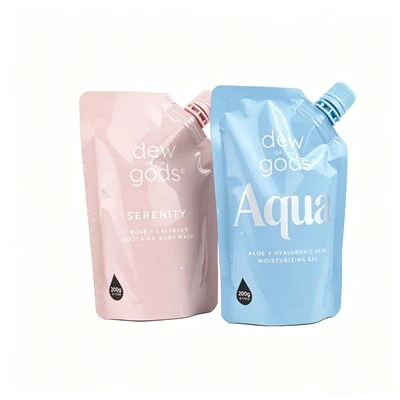
So, if you’re interested in learning more about our food packaging solutions and how they stack up in terms of biodegradation rates, don’t hesitate to reach out. We can have a chat about your specific needs, and I’m sure we can find a packaging solution that works for you, your business, and the planet.
Flat Bottom Pouches References:
- "The Science of Biodegradable Plastics" by various environmental science journals
- "Packaging Materials and Their Impact on the Environment" from industry research reports
- "Recycling and Biodegradation of Food Packaging" by academic studies on waste management
Qingdao Senlida Packing Co., Ltd.
Qingdao Senlida Packing Co., Ltd. is one of the most experienced food packaging solutions manufacturers and suppliers in China since 1995. With a professional production team, we are able to meet the needs of the majority of our customers. Please feel free to buy high quality packing products at competitive price from our factory.
Address: No.299 Feichao Road, Luwang Town, Huangdao District, Qingdao, Shandong Province, China.
E-mail: liuxh@qdsenlida.com
WebSite: https://www.senlidapacking.com/
