Hey everyone, Polyester Tow
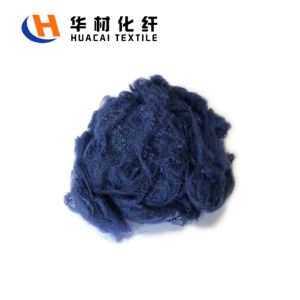
If you’re in the market for polyester tow, you know this stuff is everywhere—from filter media to rope making, even stuff like face mask filters. But let’s be real, not all polyester tow is created equal. I’ve been supplying this stuff for almost a decade now, and I’ve seen so many buyers get burned by low-quality batches that fell apart fast, clogged their equipment, or just didn’t do the job they needed. Today, I’m pulling back the curtain on how I (and my team) test the quality of polyester tow before it ever leaves our warehouse. No fancy jargon, just the real, on-the-ground stuff that actually works—because at the end of the day, if I send you a batch, I need it to work for you too.
First off, let’s get one thing straight: polyester tow’s quality comes down to a bunch of tiny, easy-to-miss details—nothing that requires a lab coat (though we do have a small testing area in our back office). Let’s start with the basics you can even do right at your loading dock if you get a sample from a supplier.
1. Check the Fiber Count and Uniformity (No, It’s Not Just About “Thickness”)
Wait, I get it—when you’re holding a bale of tow, the first thing you might do is squeeze it and guess how “fluffy” it is. But fluffiness is only part of it. The real test here is fiber count per tow bundle. Polyester tow is made of thousands of individual filaments twisted or grouped together, right? If those filaments are all different sizes, or if some bundles have way more strands than others, that’s a red flag.
How do we test this? We take a small sample—like a 10-gram clipping from three different spots on the bale (top, middle, bottom, because bales can compress unevenly during shipping). Then we separate out 10 individual filaments from each sample, measure their diameter with a cheap digital caliper (you can pick one up for $20 at any hardware store). If the diameter varies more than, say, 5% from the average? That tow’s got inconsistency issues. Why does that matter? If you’re using it for filters, thinner filaments break easier and don’t catch particles as well. If it’s for rope, uneven fibers mean weak spots that snap when you pull.
Last quarter, we had a client come to us with a batch they bought from another supplier—their filament diameter varied by almost 15%. They were using it for vacuum cleaner filters, and within a month, 20% of the filters were failing because the thin filaments tore. We tested our own same-spec batch for them, and our variation was under 3%—no issues since.
Also, don’t sleep on the “tow count” number. Every polyester tow batch has a listed count, like 1.5 denier per filament (DPF) or 100k total filaments. If the supplier says 100k, but your count comes out to 85k, that’s filler—usually cheaper, thinner strands mixed in to hit the number. We’ve caught that a few times from incoming shipments to our warehouse, and we send those right back.
2. Tensile Strength—Can It Actually Hold Up?
This is the “break test,” basically. Polyester tow is supposed to be durable, but cheap, low-grade polyester (they sometimes cut corners with recycled plastic that’s not melted properly) has weak fibers that snap. We test tensile strength using a simple apparatus—nothing fancy, just a machine that pulls a fiber until it breaks, measures how much force it took.
Wait, but if you don’t have that machine? No problem, we’ve got a DIY method for quick checks. Take a single filament from the tow, hold it between your thumb and index finger, and pull slowly. If it stretches more than it should before breaking, and breaks with a tiny, clean snip? That’s good. If it snaps right away with a jagged edge, or feels stretchy like rubber? Bad sign.
I’ve also had clients tell me they tug on a small bundle of tow. If it feels like it’s going to unspool or fray when you pull, that’s another red flag. Properly processed tow has filaments bonded enough (not too much, not too little) to stay together when you need to manipulate it—like when you’re carding it for filters or twisting it into rope.
Another thing: UV resistance, if your application is outdoor (like awnings or outdoor filters). We do a quick test here by leaving a small tow sample in direct sunlight for 2 weeks, then checking its tensile strength. If it’s down by more than 10% from the original, that’s low-grade polyester with no UV stabilizers. We add that to every batch we ship for outdoor use, because we don’t want our product to fade or break down in 6 months instead of 5 years.
3. Moisture Regain—This Is a Big One You Might Miss
Polyester is hydrophobic, right? Wait, yes, but cheaply made tow can absorb more moisture because they use low-quality fibers with more surface imperfections. Why does that matter? If you’re shipping tow to a place with high humidity, or using it for something like medical filters (which need to be consistent in weight and performance), moisture content throws everything off.
Our limit here is 0.3% moisture regain. To test this, we take a pre-weighed sample, bake it in an oven at 105C for 2 hours, then weigh it again. The difference is the moisture. If it’s over 0.5%, we send it back. We had a client in Florida last year who bought tow from a supplier in a more dry state—their batches had 1.2% moisture, so when they processed it, the fibers clumped together, and their production line jammed 3 times a week. We fixed that for them by making sure our batches were dried and sealed in airtight packaging before shipping to Florida—no more jams.
If you don’t have an oven, the quick test: squeeze a small handful of tow really hard. If you feel any dampness, or if it clumps together instead of fluffing back up when you let go, that’s too much moisture. Good polyester tow should feel dry, almost like crisp plastic, no stickiness.
4. Color Consistency—Small Variations, Big Problems
Color might seem like a trivial thing, but if you’re using colored tow for something like flags or craft supplies, or even just for inventory control, inconsistent color is a nightmare. But more importantly, off-color tow might mean the manufacturer used old, expired polyester resin or mixed in different batches during production. That leads to uneven performance.
We test color using a basic colorimeter—we take readings from 5 different spots on the bale, and the delta E (color difference) has to be under 1.5. If it’s over that, we reprocess the batch. Why? Last year, we had a client making pool filters that used gray tow. The first batch from a new supplier had gray spots scattered throughout, so when the filters were made, they had weak spots where the color was off. They lost a whole shipment of filters—cost them tens of thousands. We now do spot color checks on every single bale, no exceptions.
A quick DIY test: line up 3-4 small clumps of tow from the same bale next to each other, under natural light (not a desk lamp, which can be yellow). If you can see a difference in shade, that’s a red flag. Good tow should look uniform throughout the entire bale.
5. Chemical Resistance—Depends on What You’re Using It For
This one’s specific to your application, but it’s crucial. Polyester is supposed to resist chemicals like acids, bases, oils, right? But cheap tow can be treated with coatings or made from resin that breaks down when exposed to certain chemicals.
For example, we had a client making industrial oil filters—they needed tow that would hold up to constant exposure to lubricating oil. We test this by weighing a sample, soaking it in the client’s specific oil for 72 hours, then weighing it again and checking its tensile strength. If the weight changes more than 2% (meaning the oil is being absorbed too much) and tensile strength drops over 15%, we adjust our production to add a better coating.
If you’re testing on your end, take a small sample of tow, soak it in the chemical you’ll be using for your application (if you can’t get the exact one, a similar chemical works), then check it after 24 hours. If it feels soft, discolored, or breaks easily when you pull, it’s not the right tow for your needs.
My Pro Tips for Buying Polyester Tow (From a Supplier Who’s Been There)
Okay, so you’ve done all these tests—what now? A few things I tell every client who works with me:
First, always ask for a free sample before placing a big order. Don’t take the supplier’s word for it. Test that sample yourself using the stuff I laid out. We send samples within 2 business days, no strings attached, because we’re confident in our product.
Second, check the packaging. If it’s not sealed in airtight, moisture-resistant wrapping, or if the bale is loose and fibers are sticking out, that’s a sign the batch might have been sitting in a warehouse too long or was exposed to bad conditions. We use sealed, plastic-wrapped bales with a moisture indicator tag inside—you can see at a glance if it’s been exposed to water.
Third, ask about batch traceability. If something goes wrong, you need to know exactly where the tow was made, what materials were used, when it was produced. We keep records of every single batch for 5 years—no excuses.
Wrapping This Up (And Why I Care About Your Quality)
Look, I’m not just here to sell polyester tow. I’ve been in this game long enough to know that a bad batch can mess up your business, your deadlines, your reputation. Every batch we ship goes through all these tests, and if it doesn’t pass? We rework it or scrap it—no cutting corners.

If you’re tired of dealing with suppliers who send tow that’s inconsistent, breaks too easy, or causes issues in your production line, let’s chat. Whether you need tow for filters, rope, craft supplies, or anything else, I can send you a free sample, walk you through our testing process, and make sure you get exactly what you need. No salesy fluff, just straight talk and product that works.
Polyester Tow References
ASTM D3822, Standard Test Method for Tensile Properties of Single Textile Fibers
AATCC Test Method 127, Resistance of Fabrics to Atmospheric Ozone
ISO 15636, Textile Fibers—Determination of Moisture Regain
Huacai Group
Huacai Group is well-known as one of the leading polyester tow manufacturers and suppliers in China, featured by quality products and good service. Please feel free to buy bulk polyester tow at competitive price from our factory.
Address: No.188 Zhenyang Road, Qingyang Town, Jiangyin City, Jiangsu Province, China
E-mail: sales@huacaifiber.com
WebSite: https://www.huacaifiber.com/
