If you’ve ever walked down the hardware aisle of a construction supply store, you’ve probably glanced at the half a dozen different fasteners labeled “guy hardware” and kept moving. But as a supplier who’s worked with contractors, electricians, and rigging teams for 12 years, I’ve learned that the right guy hardware isn’t just another part on a bill of materials—it’s the small, reliable detail that keeps projects from going sideways. Too often, people cut corners here, opting for cheaper parts to save a few bucks, only to deal with sagging utility poles, unstable communications towers, or fencing that pulls loose after the first heavy rain. Today, I want to break down exactly why our guy hardware stands out, and why it’s a investment that pays off before a project even breaks ground. Guy Hardware
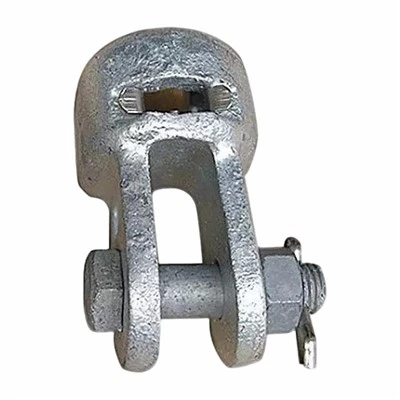
First, let’s get clear on what guy hardware does, because if you’re in the field, you already know: guy lines are the taut cables that stabilize structures like power poles, cell towers, and large outdoor signs, and guy hardware is the entire set of fittings that connect those lines to the structure itself. It’s not just a hook or a bolt—it’s the link between a 1,000-foot cable and a pole that has to hold against 80-mile per hour winds, frost heave, and even the occasional stray vehicle hitting a fence line. A lot of suppliers treat these parts as generic, mass-produced items, but over the years, we’ve tested every component from swivels to eyebolts to make sure they perform when it matters.
One of the biggest advantages our guy hardware offers is consistent material quality. A lot of budget suppliers use low-grade steel that’s prone to rust, bending, or breaking under load. Last year, I worked with a small electrical contractor who installed a set of budget guy hardware on a rural pole in central Texas. Six months later, a storm hit, and the eyebolt snapped. The pole tilted, knocked out power for three small towns, and the end up costing the contractor over $75,000 in repairs and fines. That’s the kind of mistake that keeps contractors up at night, and it’s one we’ve built our business to avoid. Our guy hardware uses hot-dip galvanized steel that meets ASTM A153 standards, which means the zinc coating is thick enough to withstand salt air, highway de-icing salts, and the moisture that comes with seasonal changes. We also offer stainless steel options for coastal projects, where salt corrosion is a daily risk—something a lot of generic suppliers don’t even stock. We test every batch of material for tensile strength, too; every eyebolt, swivel, and turnbuckle we sell is rated to handle 20% more load than the industry minimum, so there’s no guesswork when you’re calculating guy line tension.
Next, design consistency. A common problem in the guy hardware market is mismatched parts. You buy a turnbuckle from one supplier, an eyebolt from another, and they don’t thread together correctly, or the swivel you picked can’t handle the rotation needed for a guy line that shifts with temperature changes. That causes delays, field adjustments, and extra costs that add up fast. At our company, we engineer our guy hardware to work as a system. Every component is precision-machined to match standard guy line sizes, so you don’t have to file down a bolt or buy a custom washer to make it fit. We also include design features that solve common field problems: for example, our swivels have a sealed bearing that prevents dirt, mud, and water from getting inside, so they don’t seize up over time. I’ve had contractors tell me this single feature saves them hours of maintenance every year—no more climbing poles every spring to grease swivels that were installed just two years prior. Our turnbuckles also have a built-in locking tab that keeps the adjustment nut from loosening, even when vibrations from heavy equipment or wind travel through the line. That’s a small detail, but it’s the difference between a guy line that stays tight and one that needs to be retensioned every six months.
Another advantage is end-to-end accountability. When you buy guy hardware from a big box store or a random online supplier, you’re lucky if they have a customer support team that actually knows what guy hardware is. We’re a small supplier, so every member of our team has worked in the field at some point—one of our lead sales reps spent 10 years installing power lines in the Pacific Northwest, and our logistics manager has rigged everything from temporary event structures to wind turbines. That means when you call with a question, you’re talking to someone who can tell you if a particular swivel works for a 1/2-inch guy line, or what size turnbuckle you need for a 40-foot pole, not someone who’s just reciting a product description they copied from a website. We also offer custom sizing for unique projects. A lot of suppliers won’t deviate from standard sizes, but if you’re working on a historic sign that needs a custom guy line setup, or a remote communications tower in Alaska that needs hardware to withstand extreme cold, we can manufacture parts to your specs without requiring a huge minimum order. For contractors, that’s a huge win—no more waiting weeks for custom parts, or overbuying standard sizes just to get the part you need.
Durability in extreme conditions is another area where our guy hardware outperforms the competition. The energy, telecommunications, and agriculture industries work in some of the harshest environments on Earth, and generic hardware rarely holds up. Last year, a rancher in Wyoming reached out to us because he had installed budget guy hardware on his boundary fence lines, and after two years of constant exposure to snow, wind, and cattle rubbing against the lines, almost all the fittings were corroded. He switched to our hot-dip galvanized guy hardware, and two years later, he reported that none of the parts had rusted, even along the fence lines that run 10 miles along a mountain ridge. We also test all our hardware in environmental chambers that simulate extreme cold (down to -40 degrees Fahrenheit) and heat (up to 160 degrees Fahrenheit) to make sure the steel doesn’t become brittle or warp. That’s not a standard test for most suppliers, but for us, it’s non-negotiable. If a part can’t handle the conditions in Wyoming or Florida or Minnesota, it’s not worth selling.
Then there’s safety, which is the biggest advantage of all. Guy hardware isn’t just a component—it’s a critical safety element for anyone working around structures that could fall. The Occupational Safety and Health Administration (OSHA) has strict standards for guy line hardware, and cutting corners on parts can lead to fines, accidents, and even fatalities. Our guy hardware meets or exceeds all OSHA requirements for tensile strength and corrosion resistance, so you can install it knowing you’re not compromising on safety. We also provide clear installation guides for every part, so even if you’re a new contractor, you don’t have to guess how to attach a guy line to a pole correctly. A lot of suppliers skip the guides, but we include torque specifications for every bolt and tension recommendations for guy lines, which helps reduce installation errors that can lead to safety issues.
I know what you’re thinking: “If this stuff is so good, why haven’t I heard of it before?” Because we’re not the kind of supplier that advertises on billboards or spends money on national TV. We’ve built our business on word of mouth—contractors who used our hardware and told their colleagues, electricians who saved money and time on a project, ranchers who didn’t have to repair fences every spring. That means we keep our prices competitive with budget suppliers, but we’re not the cheapest on the market. Here’s why that’s worth it: the cost of a single failure of guy hardware can be 100 times more than the cost of the hardware itself. We’ve had customers tell us that switching to our guy hardware reduced their annual maintenance costs by 60% because they don’t have to replace corroded parts or retension lines as often. For a large utility company with hundreds of poles, that adds up to millions of dollars in savings over time.
Let’s also talk about sustainability, which is something a lot of projects are prioritizing now. Our guy hardware is made from recycled steel, and all our packaging is recyclable or compostable. We also reduce waste by offering bulk pricing for large orders, so contractors don’t have to buy more hardware than they need, and we take back any unused parts at the end of a project for recycling. A lot of people don’t think about hardware being sustainable, but reducing waste is part of the job, and we make that easier for our customers.
At the end of the day, choosing the right guy hardware isn’t just about checking a box on a materials list. It’s about protecting the structures you build, the people who work around them, and your bottom line. I’ve seen too many projects derail because someone saved a few dollars on a $5 eyebolt. That’s why we’re committed to making guy hardware that’s reliable, durable, and designed to work as part of a system.
If you’re a contractor, electrician, or project manager looking for a supplier you can trust, I’d love to talk through your specific needs. Whether you’re working on a small residential fence project or a large commercial tower installation, we can provide the right guy hardware to get the job done right. Don’t hesitate to reach out to discuss your requirements and place an order.
Power Fittings References
- American Society for Testing and Materials. (2022). Standard Specification for Zinc (Hot-Dip Galvanized) Coatings on Iron and Steel Products. ASTM International.
- Occupational Safety and Health Administration. (2021). Safety Standards for Construction, Subpart M: Fall Protection. U.S. Department of Labor.
- National Electrical Safety Code. (2023). Standard for Safety Installations of Electric Supply and Communication Lines. Institute of Electrical and Electronics Engineers.
- Steel Manufacturers Association. (2022). Recycled Content in Structural Steel Products. SMA Report.
Hebei Tongchuang Power Fittings Co., Ltd.
With abundant experience, we are one of the most professional guy hardware manufacturers and suppliers in China. Please feel free to buy advanced guy hardware for sale here from our factory. Good service and quality products are available.
Address: Houxiaohan Industrial Zone, Xingbieying Town, Hejian City, Hebei Province, P.R. China
E-mail: tongchuangepf@gmail.com
WebSite: https://www.tongchuangpower.com/
