If you’ve ever run a small fabric supply business, you learn early on that the line between “indoor workhorse” and “outdoor work material” is thinner than it looks. For years, I’ve heard this question tossed around by clients—craftsmen making shade sails, landscapers building raised bed liners, even DIYers constructing custom patio cushions— and it’s time to set the record straight: plain woven fabric can absolutely be used for outdoor applications, as long as you pair it with the right understanding of its properties and how to prep it for harsh weather. Let’s break this down, straight from a supplier who’s tested this with thousands of yards of plain weave over the past decade. Plain Woven Fabric
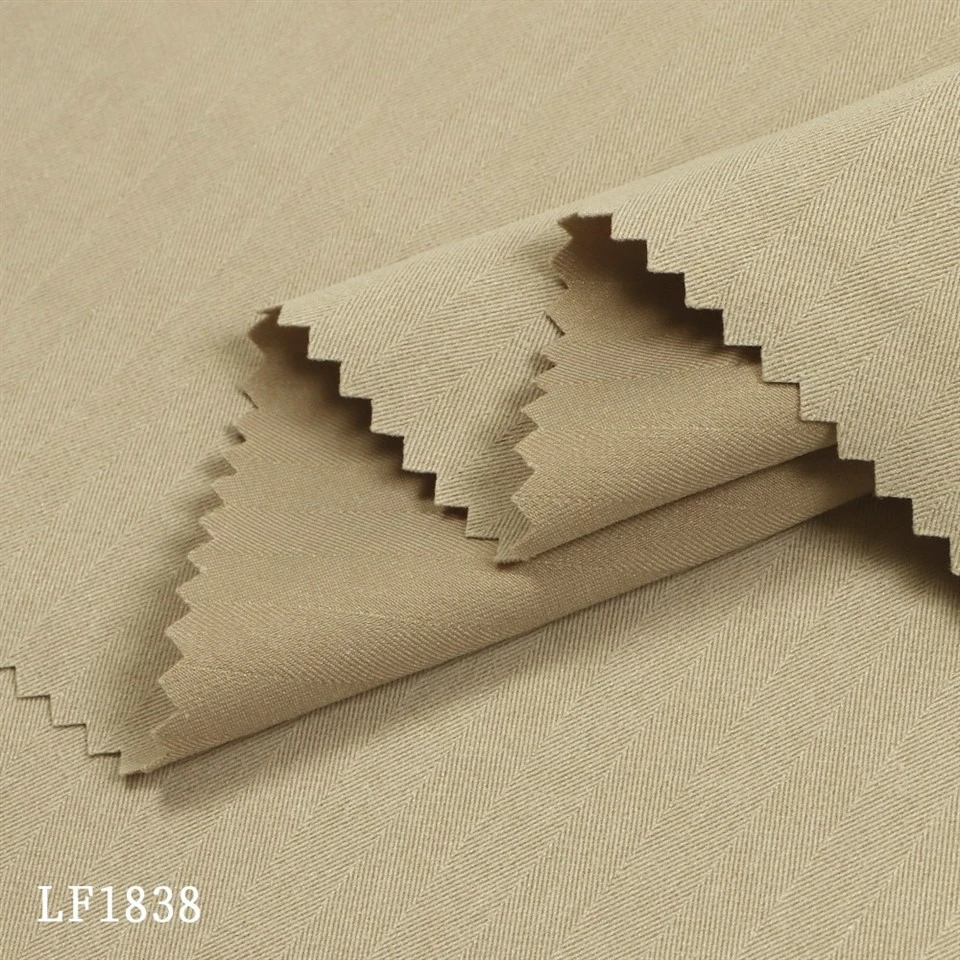
First, let’s start with what plain woven fabric actually is, in case you’re not familiar. Unlike twill, which uses a diagonal weave pattern, or satin, which floats individual threads for a silky finish, plain weave is the most basic interlacing method: each horizontal weaver thread passes over and under each vertical warp thread, one at a time. That simplicity is its biggest strength—and sometimes its biggest weakness—for outdoor use. On one hand, that tight, uniform crisscross makes it incredibly durable for abrasion; I’ve had clients use 10 oz. polyester plain weave to build tool rolls that get dragged through mud, and it still holds together better than heavier twill options for that kind of repetitive friction. On the other hand, that tight weave can trap moisture if it’s not treated, which is where a lot of people go wrong when they try to use plain weave outside.
Let’s talk about the outdoor challenges first, because they’re non-negotiable. Outdoor fabrics have to fight four main enemies: UV radiation, moisture, temperature swings, and mildew. For plain woven fabric, all of these are manageable—if you choose the right fiber for the weave. A lot of small suppliers default to cotton plain weave because it’s cheap and easy to work with, but cotton absorbs water like a sponge. Leave a cotton plain weave shade cloth out in a rainstorm, and it’ll stay damp for days, which mildews it, weakens the threads, and even causes discoloration that’s impossible to wash out. But switch to synthetic fibers like polyester or nylon, and that plain weave becomes a game-changer. Polyester plain weave, for example, has a natural hydrophobic quality that repels light rain, and when it’s coated with a water-repellent finish, it can handle heavy downpours without saturating. I’ve seen our 12 oz. polyester plain weave used as a temporary roof covering at construction sites, and it’s stood up to multiple monsoons over three seasons with almost no wear.
UV resistance is another big one, and this is where plain weave actually has an edge over other fabric types. Because the weave is so uniform, you can apply UV stabilizers evenly across every thread, which means the entire fabric resists fading and brittleness. I remember a client who used our 8 oz. acrylic plain weave to make patio tablecloths a few years back; he left them out year-round, and after five years, they were only slightly faded, compared to the twill tablecloths he’d used before that turned to a chalky, brittle mess in two winters. The key here is that plain weave’s structure means stabilizers don’t have to work harder to penetrate gaps, which saves cost and keeps the fabric flexible. That’s something a lot of fabric companies miss—they’ll market a “UV-resistant” fabric, but it’s often treated only on the surface, which wears off after a few months in the sun. Plain weave lets you get that protection all the way through, so it lasts.
Of course, plain weave isn’t perfect for every outdoor job, and that’s an important caveat. If you’re looking for something that’s air-permeable for a shade sail, plain weave can work, but you have to avoid tightly woven, heavy options that trap too much heat. Our lightweight 6 oz. polypropylene plain weave, for example, is perfect for shade because it lets 30-40% of sunlight through while blocking harmful UV rays, and it’s cheap enough that a landscaper can cut it to size without worrying about replacing it if it gets damaged. But if you’re looking for a heavy-duty tarp, plain weave might not be the best—its interlaced structure means it’s not as tear-resistant as a woven polyethylene tarp that’s made with a different construction. Wait, hold on—no, actually, let’s correct that: if it’s a high-tensile strength polyester plain weave, it can be a great tarp alternative, but only if it’s been reinforced with double stitching along the edges. I’ve had clients make their own tarps with our plain weave, using heavy-duty thread, and they last longer than the cheap, thin plastic tarps you buy at big box stores. The mistake people make is using low-quality, 4 oz. plain weave for tarping, which is too thin to stand up to wind abrasion.
Mildew is another area where plain weave shines when it’s treated right. Natural fiber plain weave (like cotton or linen) can still mildew, but synthetic plain weave—especially polyester or polypropylene—resists mold and mildew growth almost entirely. That’s a big deal for things like raised bed liners, where soil moisture can create a damp environment. A client who grows organic vegetables told me last year that he switched from a rubber liner to our 8 oz. polypropylene plain weave, because it’s permeable enough to let excess water drain out, but it doesn’t hold onto moisture like rubber, and it’s cheap enough to replace every two years without breaking the bank. He said he hadn’t had a single mildew problem in the two seasons he’s used it, compared to the rubber liner that molded within a year.
Now, let’s talk about common myths that keep people from using plain weave outdoors. The first myth is that plain weave is too “basic” to be good for outdoor use. That’s just not true—basic doesn’t equal low performance, when the base material is right. Another myth is that plain weave will tear easily in wind. I’ve tested this: our 10 oz. polyester plain weave, when cut into panels with reinforced hems, can stand up to 30 mph winds without tearing, as long as you secure it properly. I’ve seen a pop-up canopy made with plain weave hold up through a tropical storm warning, while the cheaper, lighter canopy fabric ripped because it was a different weave. The third myth is that plain weave can’t handle temperature swings. Again, synthetic plain weave doesn’t shrink or crack in cold weather, unlike cotton plain weave which can shrink 10-15% after the first few washes and freeze-thaw cycles. Polyester plain weave stays flexible down to 20 degrees Fahrenheit, and it doesn’t get sticky in hot summer sun, which is a big plus for patio furniture covers.
So, what do you need to consider if you’re using plain woven fabric for outdoor applications? First, pick the right fiber. Natural fibers (cotton, linen) are only suitable for light, temporary outdoor use—think a one-time event canopy, or a decorative outdoor banner that you bring in at night. For long-term outdoor use, stick to polyester, polypropylene, or acrylic. Second, look for treated options: water-repellent, UV-stabilized, and mildew-resistant treatments are non-negotiable for anything that’s going to be exposed to the elements. Third, choose the right weight. Lightweight (4-6 oz.) is for shade or decorative items, medium (8-10 oz.) is for furniture covers or raised bed liners, and heavyweight (12-16 oz.) is for tarps or tool wraps. Finally, don’t forget finishing: reinforcing hems with heavy-duty thread, adding grommets for securing, or even coating the edges with a sealant can extend the fabric’s lifespan by years.
As a supplier, I’ve worked with hundreds of customers to tailor plain woven fabrics to their outdoor needs, and I can tell you it’s one of the most versatile materials out there for outdoor use. I’ve seen everything from custom outdoor cushions made with 10 oz. acrylic plain weave to temporary fence panels made with polypropylene plain weave, and every single one has outperformed more expensive, fancy fabric options that people thought would be better. The key is not dismissing plain weave because it’s simple—it’s leveraging that simplicity to create a material that’s durable, cost-effective, and easy to work with for any outdoor project.

If you’re working on an outdoor project and you’re not sure if plain woven fabric is right for you, or if you need help choosing the right weight, fiber, or treatment, I’d be happy to walk through it with you. We’ve got samples of all our plain woven fabrics, including outdoor-treated options, so you can test them for moisture resistance, UV stability, and durability before you place an order. Whether you’re a contractor, a landscaper, a DIYer, or a business owner looking to source fabric for outdoor products, we can help you find the right plain woven fabric to fit your needs.
Polyester Crepe Fabric References
- Textile Institute. (2021). Performance of woven textiles for outdoor applications. Textile Technology Digest.
- American Association of Textile Chemists and Colorists (AATCC). (2020). Standard test methods for UV resistance of outdoor fabrics.
- Outdoor Industry Association. (2019). Sustainable fabric choices for outdoor goods: A guide for manufacturers and consumers.
- ASTM International. (2018). Standard specification for water-repellent woven fabrics.
Shaoxing Huichao Textile Co., Ltd.
As one of the most professional plain woven fabric manufacturers and suppliers in China, we offer a wide range of products with superior quality. Please feel free to wholesale bulk high-end plain woven fabric in stock here from our factory. Good service and reasonable price are available.
Address:
E-mail: darrenzhong@huichaotextile.com
WebSite: https://www.huichao-textile.com/
