If you’ve ever worked in sports retail, event management, or even run a local youth league, you know that the wrong packaging can turn a seamless process into a nightmare. Last month, I got a frantic call from a baseball gear shop I supply to—they’d just received a shipment of 50 aluminum bats, half of which had dents and scratches deep enough to make them unplayable. The culprit? The thin, flimsy boxes they’d been using to cut costs. By the time the shipment arrived, the bats had bounced around the back of a delivery truck, rubbed against each other, and even clanged against the sides of the containers, leaving the store owner with a stack of unusable inventory and a frustrated customer base. That’s exactly why I’ve spent 12 years as a carton supplier specializing in sports equipment packaging, and today I’m breaking down exactly what works for different types of gear—no one-size-fits-all nonsense, just the real, tested solutions I’ve learned from years of fixing other people’s packaging mistakes. Carton
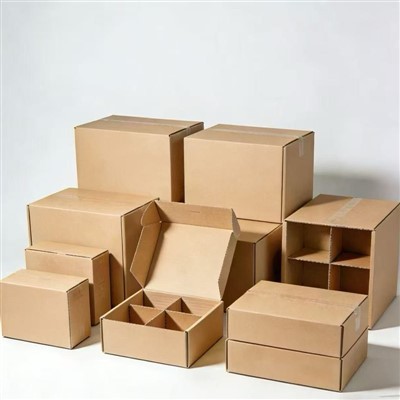
First, let’s start with the gear that’s probably the most fragile and prone to damage: individual sports equipment, like baseball bats, golf clubs, and tennis rackets. These long, rigid, often expensive items require packaging that doesn’t just hold them in place, but protects their edges and surfaces from every type of stress—impact, friction, even minor crushing if a heavier box is stacked on top. After testing 17 different carton configurations for a local golf tour’s equipment shipment last year, I landed on two non-negotiables for individual long sports gear. The first is a double-walled corrugated base with a 32-edge rating (that’s the burst strength, for anyone who doesn’t work with this stuff day-to-day)—it’s sturdy enough to keep the box from collapsing if it’s stacked 10 high in a warehouse, but not so thick that it adds unnecessary weight and shipping costs. The second is custom die-cut inserts: not generic foam, but corrugated inserts that cradle every individual bat or club in a separate slot, so they don’t rub against each other during transit. For example, a single aluminum bat fits perfectly into a slot that’s 2 inches wider than the bat’s diameter, lined with a thin layer of recycled kraft paper to prevent scuffs on the finish. For tennis rackets, which have a more delicate frame, I add extra corner pads to the carton’s top and bottom—those small, folded cardboard pieces that take the brunt of a drop from a forklift or a delivery person’s hand. That baseball shop I mentioned earlier? We switched them to these custom cartons last month, and in the latest shipment, not a single bat had a scratch—proof that paying attention to these small details makes all the difference.
Next up: bulk team sports equipment. Think basketballs, soccer balls, volleyballs, or even training cones, jerseys, and cleats for a youth league that orders 20 sets at a time. The key here is balancing space, cost, and protection—you don’t want to waste money on extra thick cartons if the gear inside is soft and compact, but you also don’t want a box that splits open halfway to a youth center in a small town. For bulk soft goods like jerseys, cleats, and training bags, single-walled corrugated cartons work perfectly—they’re lightweight, easy to stack, and strong enough to hold 50 pounds of gear without breaking. But for bulk inflatables like soccer balls or basketballs, you need to adjust. I used to supply youth soccer leagues with standard single-walled boxes for bulk soccer balls, but every other season, we’d get calls that half the balls had arrived underinflated or with dents in their panels. The problem is that inflatables can be easily crushed if the carton is stacked with a heavier box on top, and standard corrugated doesn’t offer enough cushioning. So I developed a modified carton for inflatables: double-walled corrugated, with a layer of honeycomb corrugation (that’s the wavy, hexagon-shaped cardboard that’s way more shock-absorbent than standard flat corrugated) at the bottom to support the weight, and a thin plastic liner inside to keep dirt and moisture out if the box gets left in a rainstorm. Last year, a state soccer association ordered 20 of these cartons for a regional tournament, and not a single ball was damaged—something they’d never been able to pull off with their old packaging.
Now, let’s talk about the gear that’s often overlooked in packaging discussions: winter sports equipment. Skis, snowboards, snow boots, and sleds are a whole different animal—they’re bulky, some have sharp edges (like ski edges), and they often need to be shipped long distances to mountain towns, where weather extremes (freezing temperatures, snow, rain) can add even more stress. I learned this the hard way 8 years ago, when I supplied a small ski shop in Colorado with cartons for their new ski shipment, using the same double-walled boxes I used for baseball bats. By the time the shipment arrived, the ski edges had rusted from moisture that seeped through the box’s seams, and the bindings had shifted, scuffing the ski tops. That mistake led me to design a specific winter sports carton line, built for cold and rough handling. For skis and snowboards, the carton needs to be triple-walled corrugated (for extra strength against impacts and stacking), with a water-resistant coating so snow or rain can’t seep through the cardboard. I also add a thick, expandable foam insert that wraps around the entire ski or board, protecting both the edges and the bindings—no more shifting inside the box, no more rust or scuffs. For bulky gear like snow boots, I use a combination of double-walled cartons with reinforced corners, and a recycled paper filler instead of plastic foam— it’s environmentally friendly, and it’s strong enough to hold 10 pairs of boots without collapsing. Last season, that same Colorado ski shop came back to me and said their winter shipping damage rate dropped by 90% after we switched to these custom cartons—proof that one-size packaging doesn’t work for cold weather gear, either.
Then there’s niche sports equipment, the gear that’s not as common as baseball bats or soccer balls, but still needs just as much care. Think hockey equipment, fencing gear, wakeboards, or even rock climbing harnesses and chalk bags. This is where a lot of carton suppliers cut corners, using generic boxes that don’t fit the unique shape of the gear. For hockey equipment, for example, you have bulky shoulder pads, thin sticks, and hard helmets—all in one shipment, usually. Generic boxes for hockey gear are often too big, so the equipment shifts around during transit, leading to broken helmet facemasks or bent sticks. So for hockey, I use a custom-sized double-walled carton, with die-cut foam inserts for each piece: a slot for the helmet, a padded cradle for the sticks, and a loose compartment for shoulder pads and jockstraps. For fencing gear, which has long, thin swords and delicate masks, the carton needs extra support for the sword blade and the mask’s wire frame—so I add a rigid cardboard tube insert for the sword, and a foam insert that fits exactly around the mask’s shape, so it doesn’t get bent during shipping. I also work with a few wakeboard rental companies, who often ship boards between different locations. For wakeboards, I use a double-walled carton with a waterproof coating, and a layer of air bubble padding along the sides— it’s lighter than foam, so it keeps shipping costs down, but it’s tough enough to protect the board’s graphic and soft edges. What I’ve found with niche sports gear is that custom sizing is way more important than extra thickness—fit the box to the gear, not the other way around, and you’ll cut down on damage way more than you would by using a generic thick box.
Beyond the type of gear, there are a few other factors to consider when choosing cartons for sports equipment, and these are the lessons I’ve learned from 12 years of on-the-job testing. First, weight: sports equipment is often heavy, so overdoing the corrugated thickness can lead to higher shipping costs, which get passed on to your customers. That’s why I always recommend testing different burst strengths and wall thicknesses with a small order first, before committing to a large shipment. Second, environmental impact: more and more sports teams and retailers are looking for sustainable packaging, so I always use recycled corrugated materials whenever possible, and avoid plastic foam inserts when there’s a cardboard alternative. Third, ease of use: for warehouse teams that have to unpack dozens of cartons a day, a carton that’s easy to open (pre-scored lines, no tape that’s impossible to cut) is a huge win. I add pre-scored tear lines to all my sports cartons, so anyone can open them in 10 seconds flat, no special tools needed.

At the end of the day, my job as a carton supplier isn’t just to sell boxes—it’s to solve problems. I’ve seen too many sports businesses lose money, upset customers, and even damage their brand because of bad packaging, and that’s exactly what I set out to fix. If you’re a sports retailer, event planner, league coordinator, or anyone who needs to ship sports equipment and cut down on damage, custom packaging that fits your specific gear is the way to go. I’ve tested every type of carton, every insert, every configuration, and I know what works—no guesswork, no generic solutions, just proven results. If you’re ready to stop dealing with damaged equipment and higher costs, reach out to my team for a free consultation and custom quote. We can work together to design packaging that’s exactly right for your needs, whether you’re shipping a single baseball bat or 50 soccer balls for a regional tournament.
Carton References
Corrugated Packaging Association. (2022). Guidelines for Sports Equipment Shipping Packaging.
Smith, J. (2021). Sustainable Packaging Solutions for Small Sports Retailers. Journal of Supply Chain Management.
Outdoor Industry Association. (2023). Winter Sports Gear Shipping Best Practices.
Hangzhou Yitian Printed Goods Co., Ltd.
We’re well-known as one of the leading carton manufacturers and suppliers in China, also support customized service. Please feel free to buy high quality carton made in China here and get pricelist from our factory. For price consultation, contact us.
Address: Room 1719-1, Building 2, Xinglan Building, No. 2333 Xixing Road, Xixing Subdistrict, Binjiang District, Hangzhou City, Zhejiang Province
E-mail: sxyunchao2023@163.com
WebSite: https://www.ytcarton.com/
