Lift systems are integral to modern buildings, facilitating vertical transportation and enhancing accessibility. As a lift spare parts supplier, I’ve witnessed the evolution of the industry and the growing concern for sustainability. One question that often arises is, "Can lift spare parts be recycled?" In this blog, I’ll explore this topic in depth, discussing the recyclability of different lift components, the benefits of recycling, and the challenges we face. Lift Spare Parts

The Recyclability of Lift Spare Parts
Lift systems are composed of a variety of components, each with its own material composition and recyclability. Let’s take a closer look at some of the most common lift spare parts and their potential for recycling:
Steel Components
Steel is one of the most widely used materials in lift construction. It is strong, durable, and highly recyclable. Steel components such as guide rails, car frames, and counterweights can be easily recycled at the end of their life cycle. Recycling steel not only conserves natural resources but also reduces energy consumption and greenhouse gas emissions. According to the World Steel Association, recycling steel requires only about 25% of the energy needed to produce new steel from raw materials.
Aluminum Components
Aluminum is another lightweight and corrosion-resistant material commonly used in lift systems. Aluminum components, such as doors, panels, and control boxes, can also be recycled. Recycling aluminum is highly energy-efficient, as it requires only about 5% of the energy needed to produce new aluminum from bauxite ore. Additionally, recycled aluminum retains its properties and can be used to manufacture new products.
Electrical Components
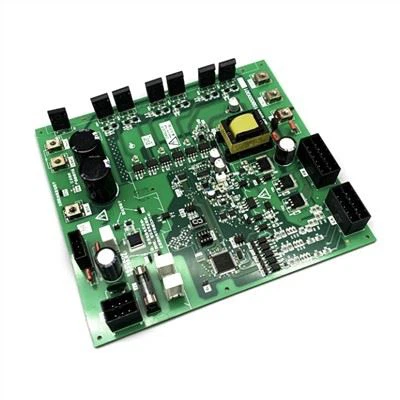
Lift systems rely on a complex network of electrical components, including motors, controllers, and wiring. While some electrical components can be recycled, others may contain hazardous materials such as lead, mercury, and cadmium. These materials need to be properly handled and disposed of to prevent environmental contamination. Recycling electrical components often involves specialized processes to extract valuable metals and separate hazardous materials.
Rubber and Plastic Components
Rubber and plastic components, such as seals, gaskets, and cables, are also used in lift systems. While some rubber and plastic materials can be recycled, others may be difficult to recycle due to their complex composition or low market demand. However, advancements in recycling technologies are making it possible to recycle a wider range of rubber and plastic materials.
The Benefits of Recycling Lift Spare Parts
Recycling lift spare parts offers several benefits, both for the environment and the economy. Here are some of the key advantages:
Conservation of Natural Resources
By recycling lift spare parts, we can reduce the demand for virgin materials and conserve natural resources. This helps to protect the environment and ensure the long-term sustainability of our planet. For example, recycling steel and aluminum reduces the need for mining and refining, which can have a significant impact on the environment.
Energy Savings
Recycling lift spare parts requires less energy than producing new parts from raw materials. This results in significant energy savings and reduces greenhouse gas emissions. For instance, recycling steel saves about 75% of the energy needed to produce new steel, while recycling aluminum saves about 95% of the energy required for primary production.
Cost Savings
Recycling lift spare parts can also result in cost savings for lift manufacturers, maintenance companies, and building owners. By reusing recycled parts, they can reduce the cost of purchasing new parts and lower their overall operating expenses. Additionally, recycling can help to extend the lifespan of lift systems, reducing the need for frequent replacements.
Environmental Protection
Recycling lift spare parts helps to prevent the accumulation of waste in landfills and reduces the environmental impact of lift manufacturing and disposal. By properly recycling hazardous materials, we can also prevent pollution and protect the health of our communities.
Challenges in Recycling Lift Spare Parts
While recycling lift spare parts offers many benefits, there are also several challenges that need to be addressed. Here are some of the key challenges:
Lack of Awareness
One of the main challenges in recycling lift spare parts is the lack of awareness among lift manufacturers, maintenance companies, and building owners. Many people are not aware of the recyclability of lift components or the benefits of recycling. This can lead to a significant amount of lift spare parts being discarded in landfills instead of being recycled.
Complexity of Recycling
Recycling lift spare parts can be a complex process, especially for components that contain hazardous materials. These materials need to be properly handled and disposed of to prevent environmental contamination. Additionally, the recycling process may require specialized equipment and expertise, which can increase the cost and complexity of recycling.
Market Demand
Another challenge in recycling lift spare parts is the limited market demand for recycled materials. While there is a growing demand for recycled steel and aluminum, the market for recycled electrical components, rubber, and plastic is still relatively small. This can make it difficult for recycling companies to find buyers for their recycled products.
Regulatory Requirements
Recycling lift spare parts is subject to various regulatory requirements, including environmental regulations and safety standards. These regulations can vary from country to country and can make it challenging for recycling companies to comply with all the requirements.
How We Can Overcome These Challenges
To overcome the challenges in recycling lift spare parts, we need to take a collaborative approach. Here are some of the steps we can take:
Increase Awareness
We need to increase awareness among lift manufacturers, maintenance companies, and building owners about the recyclability of lift components and the benefits of recycling. This can be done through education and outreach programs, as well as by providing information and resources on recycling options.
Improve Recycling Technologies
We need to invest in research and development to improve recycling technologies and make it easier and more cost-effective to recycle lift spare parts. This can include developing new processes for recycling electrical components, rubber, and plastic, as well as improving the efficiency of existing recycling methods.
Expand the Market for Recycled Materials
We need to work together to expand the market for recycled materials by promoting the use of recycled products in the lift industry. This can be done by developing standards and certifications for recycled materials, as well as by encouraging lift manufacturers and maintenance companies to use recycled parts in their products and services.
Comply with Regulatory Requirements
We need to ensure that recycling companies comply with all the regulatory requirements related to the recycling of lift spare parts. This can include obtaining the necessary permits and licenses, as well as following proper handling and disposal procedures for hazardous materials.
Conclusion
In conclusion, lift spare parts can be recycled, and recycling offers many benefits for the environment and the economy. However, there are also several challenges that need to be addressed, including the lack of awareness, the complexity of recycling, the limited market demand for recycled materials, and the regulatory requirements. By taking a collaborative approach and working together, we can overcome these challenges and make recycling lift spare parts a more viable and sustainable option.
Other Elevator Pcb As a lift spare parts supplier, I am committed to promoting the recycling of lift components and reducing the environmental impact of our industry. If you are interested in learning more about our recycling services or purchasing recycled lift spare parts, please contact us. We would be happy to discuss your needs and provide you with more information.
References
- World Steel Association. (n.d.). Recycling. Retrieved from https://www.worldsteel.org/our-work/environmental-issues/recycling.html
- Aluminum Association. (n.d.). Recycling. Retrieved from https://www.aluminum.org/recycling
- Environmental Protection Agency. (n.d.). Recycling Basics. Retrieved from https://www.epa.gov/recycle/recycling-basics
Sanjin Elevator Parts Co., Ltd.
Sanjin Elevator Parts Co., Ltd. is one of the most professional lift spare parts manufacturers and suppliers in China, featured by quality products and good service. Please rest assured to buy or wholesale high-grade lift spare parts at competitive price from our factory.
Address: 18th Floor, Xinyuan Center, Fenghe Road, Xi’an, Shaanxi, China
E-mail: elevatorparts@westdt.com
WebSite: https://www.sanjinelevator.com/
