In the vast landscape of modern manufacturing, grinding equipment plays a role that is both fundamental and far – reaching. As a supplier of grinding equipment, I’ve had the privilege of witnessing firsthand how these machines transform raw materials into precision – engineered components, driving innovation and efficiency across various industries. Grinding Equipment

The Basics of Grinding in Manufacturing
Grinding is a material removal process that uses abrasive particles to cut away small amounts of material from a workpiece. This is typically done through the use of a grinding wheel, which rotates at high speeds and comes into contact with the workpiece. The abrasive grains on the wheel act like tiny cutting tools, shaving off material and creating a smooth, accurate surface finish.
One of the primary functions of grinding equipment is to achieve tight tolerances. In industries such as aerospace, automotive, and medical device manufacturing, parts need to be produced with extremely precise dimensions. For example, in the aerospace industry, turbine blades must be ground to exact specifications to ensure optimal performance and safety. Even the slightest deviation from the design can lead to inefficiencies or, in the worst – case scenario, catastrophic failures. Grinding equipment allows manufacturers to achieve these tight tolerances consistently, ensuring that each part meets the required standards.
Surface finish is another critical aspect of manufacturing that grinding equipment addresses. A smooth surface finish can improve the functionality of a part, reduce friction, and enhance its resistance to wear and corrosion. In the automotive industry, engine components such as pistons and cylinders require a high – quality surface finish to operate efficiently. Grinding can produce surfaces with roughness values as low as a few micro – inches, providing a level of smoothness that is difficult to achieve through other machining processes.
Types of Grinding Equipment and Their Applications
There are several types of grinding equipment available, each designed for specific applications. The most common types include surface grinders, cylindrical grinders, and centerless grinders.
Surface grinders are used to create flat surfaces on workpieces. They are often employed in the production of molds, dies, and machine parts that require a high degree of flatness and parallelism. For instance, in the tool and die industry, surface grinders are used to finish the surfaces of punches and dies, ensuring that they fit together precisely and produce accurate parts.
Cylindrical grinders are used to grind the external or internal surfaces of cylindrical workpieces. They are commonly used in the manufacturing of shafts, bearings, and other round components. In the automotive industry, cylindrical grinders are used to produce crankshafts, camshafts, and transmission gears. These components require a high – precision cylindrical shape to function properly, and cylindrical grinders can achieve the necessary accuracy and surface finish.
Centerless grinders, on the other hand, do not require the workpiece to be centered on a spindle. Instead, the workpiece is supported between a grinding wheel and a regulating wheel. This makes centerless grinding ideal for high – volume production of small, cylindrical parts such as pins, rods, and rollers. In the electronics industry, centerless grinders are used to produce precision shafts for motors and actuators.
Benefits of Using Our Grinding Equipment
As a supplier of grinding equipment, we offer a range of benefits to our customers. First and foremost, our equipment is designed with the latest technology and engineering principles. This ensures high performance, reliability, and precision. Our grinding machines are equipped with advanced control systems that allow for accurate adjustment of grinding parameters, such as speed, feed rate, and depth of cut. This enables manufacturers to optimize the grinding process and achieve the best possible results.
In addition to performance, our grinding equipment is also known for its durability. We use high – quality materials and components in the construction of our machines, ensuring that they can withstand the rigors of continuous operation. This reduces downtime and maintenance costs, allowing manufacturers to focus on production.
Another advantage of choosing our grinding equipment is our commitment to customer service. We provide comprehensive training and support to our customers, ensuring that they can operate and maintain our machines effectively. Our team of experts is always available to answer questions and provide technical assistance, whether it’s troubleshooting a problem or optimizing the grinding process for a specific application.
Impact on Different Manufacturing Industries
The role of grinding equipment extends across a wide range of manufacturing industries. In the metalworking industry, grinding is used for everything from rough stock removal to fine finishing. It is an essential process in the production of steel, aluminum, and other metal products. For example, in the production of stainless steel sheets, grinding is used to remove surface imperfections and achieve a smooth, uniform finish.
In the woodworking industry, grinding equipment is used to sharpen saw blades, router bits, and other cutting tools. A sharp cutting tool is essential for achieving clean, precise cuts in wood, and grinding ensures that these tools maintain their edge. This improves the quality of woodworking products and increases the productivity of woodworking operations.
The plastics industry also benefits from grinding equipment. In the production of plastic parts, grinding is used to remove excess material, smooth edges, and improve the surface finish. For example, in the manufacturing of plastic injection molds, grinding is used to finish the mold cavities to ensure that the molded parts have a high – quality surface.
Environmental and Sustainability Considerations
In today’s manufacturing landscape, environmental and sustainability considerations are becoming increasingly important. Our grinding equipment is designed with these factors in mind. We have implemented several features to reduce energy consumption and minimize waste.
For example, our grinding machines are equipped with energy – efficient motors and control systems that optimize power usage. This not only reduces the environmental impact but also lowers operating costs for our customers. Additionally, we have developed grinding processes that generate less waste material. By using advanced grinding techniques and abrasive materials, we can achieve the same level of precision with less material removal, reducing the amount of scrap generated during the grinding process.
Future Trends in Grinding Equipment
The future of grinding equipment looks promising, with several trends shaping the industry. One of the key trends is the integration of automation and robotics. Automation allows for greater precision, consistency, and productivity in the grinding process. Robotic systems can load and unload workpieces, adjust grinding parameters, and perform quality control inspections, reducing the need for manual labor and increasing efficiency.
Another trend is the development of advanced abrasive materials. New abrasive materials are being developed that offer higher cutting performance, longer service life, and better surface finish. These materials can improve the efficiency of the grinding process and reduce the cost of abrasive consumption.
The use of data analytics and artificial intelligence (AI) is also on the rise in the grinding equipment industry. By collecting and analyzing data from grinding machines, manufacturers can optimize the grinding process, predict maintenance needs, and improve product quality. AI – powered control systems can automatically adjust grinding parameters based on real – time feedback, ensuring consistent and high – quality results.
Conclusion
In conclusion, grinding equipment plays a crucial role in the manufacturing process. It enables manufacturers to achieve tight tolerances, improve surface finish, and produce high – quality parts across a wide range of industries. As a supplier of grinding equipment, we are committed to providing our customers with the latest technology, reliable performance, and excellent customer service.
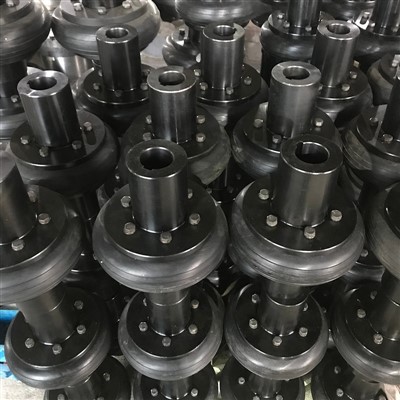
If you are in the manufacturing industry and are looking for high – quality grinding equipment, we invite you to contact us for a detailed discussion. We can help you select the right equipment for your specific needs and provide you with a customized solution that meets your production requirements. Whether you are a small – scale manufacturer or a large – scale industrial enterprise, we have the expertise and resources to support your grinding needs.
Coupling References
- Groover, M. P. "Fundamentals of Modern Manufacturing: Materials, Processes, and Systems." Wiley, 2019.
- Trent, E. M., & Wright, P. K. "Metal Cutting." Butterworth – Heinemann, 2000.
- Dornfeld, D. A., Minis, I., & Takeuchi, Y. "Minimum Quantity Lubrication in Machining Processes." Annals of the CIRP, 54(2), 543 – 560, 2005.
Shenyang Muren Machinery Co., Ltd.
Address: No.16 Nansan Road, Shenyang Jinhai Economic Zone, Liaoning Province, China
E-mail: mulunjixie@163.com
WebSite: https://www.symuren.com/
