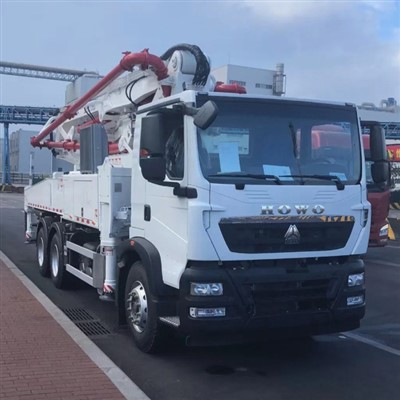
Hey there! As a supplier of boom concrete pump trucks, I’ve seen firsthand how important it is to prevent corrosion on these machines. Corrosion can damage the structure, reduce the lifespan, and even cause safety hazards. In this blog, I’ll share some of the corrosion – prevention measures we recommend for boom concrete pump trucks. Boom Concrete Pump Truck
Understanding Corrosion in Boom Concrete Pump Trucks
Before we dive into the prevention measures, let’s quickly understand what corrosion is and why it happens in boom concrete pump trucks. Corrosion is basically a chemical reaction between a metal and its environment. In the case of these trucks, the main culprits are moisture, oxygen, and the chemicals in concrete.
When the metal parts of the boom, like the steel pipes and the chassis, come into contact with water (either from rain, cleaning, or the concrete itself) and oxygen in the air, a rusting process starts. Concrete also contains alkaline substances which can speed up the corrosion. If left unchecked, this corrosion can eat away at the metal, weakening the structural integrity of the boom.
Surface Protection
One of the most basic and effective ways to prevent corrosion is through surface protection.
Paint Coating
A good paint job is like a shield for your boom concrete pump truck. We always apply a high – quality anti – corrosion paint to all the exposed metal surfaces during the manufacturing process. This paint forms a barrier between the metal and the corrosive elements in the environment.
For instance, we use epoxy – based paints that are highly resistant to moisture and chemicals. These paints are also flexible, which is important because the boom moves and bends during operation. A flexible paint won’t crack easily, ensuring continuous protection. It’s a good idea to regularly inspect the paint coating for any chips or scratches. If you find any, touch them up as soon as possible. A small chip can expose the metal underneath to corrosion, and it can quickly spread.
Galvanization
Galvanizing is another great option for surface protection. It involves coating the metal with a layer of zinc. Zinc is more reactive than steel, so when it’s exposed to the environment, it corrodes first, protecting the underlying steel.
On our boom concrete pump trucks, we use hot – dip galvanizing for some of the critical components. This process gives a thick and durable zinc coating. The parts that are galvanized can withstand harsh conditions for a long time. However, like paint, the galvanized layer can also be damaged. If you notice any signs of zinc loss, you may need to have the part re – galvanized or use a zinc – rich paint to touch it up.
Proper Cleaning and Maintenance
Keeping your boom concrete pump truck clean is crucial for corrosion prevention.
Regular Cleaning
After each use, it’s important to clean the truck thoroughly. Concrete residue can be very corrosive if left on the metal surfaces. Use a high – pressure water jet to remove all the concrete from the boom, the hopper, and other parts of the truck. Pay special attention to the areas where concrete can accumulate, such as the joints and the crevices.
When cleaning, use a mild detergent to help break down the concrete and dirt. Avoid using abrasive cleaners or tools that can scratch the paint or the protective coating. After cleaning, make sure to dry the truck completely. Moisture left on the metal can lead to corrosion. You can use compressed air to blow out any water from hard – to – reach areas.
Lubrication
Lubrication isn’t just for making the moving parts work smoothly; it also helps prevent corrosion. The joints and bearings on the boom are exposed to the environment and can be prone to rusting. Apply a high – quality lubricant regularly to these parts.
The lubricant forms a thin film that protects the metal from moisture and oxygen. It also reduces friction, which can cause wear and tear on the parts. When choosing a lubricant, make sure it’s suitable for the operating conditions of the boom concrete pump truck. For example, if the truck is used in a high – humidity environment, you’ll need a lubricant that has good anti – corrosion properties.
Environmental Considerations
The environment where the boom concrete pump truck is stored and used can have a big impact on corrosion.
Storage
When the truck is not in use, store it in a dry and covered area. A warehouse or a shed is ideal. If you don’t have a covered storage space, at least use a waterproof tarp to cover the truck. This will protect it from rain, snow, and direct sunlight.
Avoid storing the truck in areas where there are high levels of chemicals or pollutants in the air, such as near industrial sites or chemical plants. These substances can accelerate the corrosion process.
Operating Conditions
During operation, try to avoid exposing the truck to extreme weather conditions as much as possible. For example, if it’s raining heavily, it’s better to stop the work and protect the truck. Also, be aware of the water quality when using water for cleaning or mixing concrete. Water with a high salt content or other impurities can be more corrosive.
Monitoring and Inspection
Regular monitoring and inspection are essential to catch any signs of corrosion early.
Visual Inspection
Do a visual inspection of the boom concrete pump truck at least once a week. Look for any signs of rust, such as orange or brown spots on the metal surfaces. Check the paint coating for chips, blisters, or peeling. Also, inspect the joints, welds, and other critical areas for any signs of damage.
If you notice any corrosion, no matter how small, take action immediately. Small areas of corrosion can be treated with a rust converter and then repainted. Larger areas may require more extensive repairs.
Non – destructive Testing
In addition to visual inspection, you can also use non – destructive testing methods to detect hidden corrosion. Ultrasonic testing, for example, can be used to check the thickness of the metal parts. A decrease in thickness may indicate corrosion inside the metal.
Magnetic particle testing is another option for detecting surface and near – surface defects in ferromagnetic materials. These testing methods can help you identify corrosion problems before they become too serious.
Training and Awareness
Finally, it’s important to train the operators and maintenance staff about corrosion prevention. Make sure they understand the importance of proper cleaning, maintenance, and inspection. Provide them with the necessary tools and materials to perform these tasks.
Encourage them to report any signs of corrosion or damage as soon as they notice them. By having a team that is aware of the corrosion risks and knows how to prevent them, you can significantly extend the lifespan of your boom concrete pump truck.
In conclusion, preventing corrosion on a boom concrete pump truck requires a combination of surface protection, proper cleaning and maintenance, environmental considerations, monitoring, and training. By following these measures, you can keep your truck in good condition and avoid costly repairs and replacements.
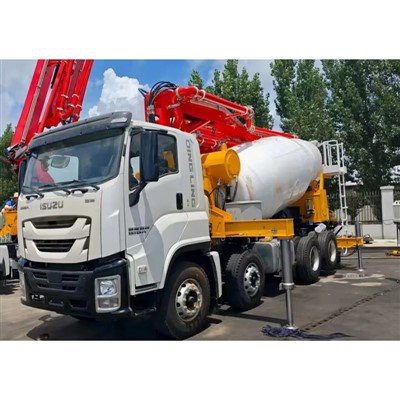
If you’re in the market for a boom concrete pump truck or need more advice on corrosion prevention, don’t hesitate to get in touch with us. We’re here to help you make the best choice and ensure the long – term performance of your equipment.
Concrete Mixer Truck References:
- "Corrosion Prevention in Construction Equipment" – A technical guide on corrosion prevention in heavy machinery.
- Industry standards for the manufacturing and maintenance of boom concrete pump trucks.
Shandong Fuxin Automobile Technology Co., Ltd.
We’re well-known as one of the leading boom concrete pump truck manufacturers and suppliers in China, featured by quality products and good price. Please rest assured to buy advanced boom concrete pump truck made in China here from our factory. Contact us for more details.
Address: West of Nanshou Road, Beihai Road, Weifang City, Shandong Province
E-mail: h17616861003@gmail.com
WebSite: https://www.fuxinautomobile.com/
