Hey there! I’m a supplier of HDPE pipes and fittings, and one question that comes up quite often is, "What is the maximum pressure that HDPE pipes and fittings can withstand?" Well, let’s dive right into this topic. HDPE Pipes and Fittings
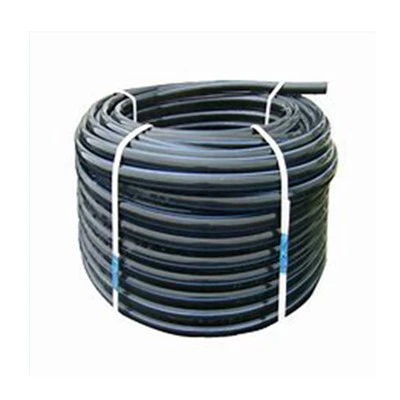
First off, we need to understand what HDPE is. HDPE stands for High – Density Polyethylene. It’s a type of thermoplastic polymer made from petroleum. You gotta love its versatility, as it’s used in all sorts of applications, from water supply systems to gas pipelines, and even in some industrial waste management setups.
Now, the maximum pressure that HDPE pipes and fittings can handle isn’t a one – size – fits – all answer. It depends on several factors. One of the most important factors is the pipe’s SDR (Standard Dimension Ratio). The SDR is the ratio of the pipe’s outside diameter to its wall thickness. A lower SDR means a thicker – walled pipe, and generally, thicker – walled HDPE pipes can withstand higher pressures.
For instance, if you’ve got an SDR 11 HDPE pipe, it can handle a pretty decent amount of pressure. In water supply applications, it can often withstand pressures up to around 16 bar (232 psi). That’s enough to keep the water flowing smoothly in a lot of municipal and commercial water systems. On the other hand, an SDR 17 pipe, which has a thinner wall compared to the SDR 11, can typically handle pressures up to about 10 bar (145 psi).
The temperature also plays a huge role. HDPE is a temperature – sensitive material. As the temperature goes up, the pressure – handling capacity of the pipes and fittings goes down. At lower temperatures, say around 20°C (68°F), the pipes perform at their best. But if the temperature rises to, let’s say, 40°C (104°F), the maximum pressure they can withstand might drop by about 20 – 30%. So, if you’re using HDPE pipes in a hot environment, like in some industrial processes where the fluid being transported is heated, you’ve got to take this into account.
Another factor is the type of fluid being transported. If it’s just water, the pipes usually perform well. But if you’re dealing with chemicals, things can get a bit more complicated. Some chemicals can react with HDPE over time, which can weaken the material and reduce its pressure – handling ability. So, it’s crucial to know the chemical compatibility of the HDPE with the fluid in your system.
The manufacturing process also affects the pipe’s pressure resistance. At our place, we use the latest extrusion technology to make our HDPE pipes. This ensures a uniform wall thickness throughout the pipe, which is super important for maintaining consistent pressure resistance. Any inconsistencies in the wall thickness can lead to weak spots, and those weak spots are where problems can start.
Now, let’s talk about the fittings. Fittings are just as important as the pipes themselves when it comes to pressure. The joints between the pipes and fittings need to be strong to prevent any leaks or failures under pressure. We use fusion welding techniques for our HDPE fittings. This creates a seamless bond between the pipes and fittings, which can handle the same pressure as the pipe itself. It’s way better than using mechanical couplings, which can sometimes be weak points in the system.
When it comes to testing, we don’t just rely on theory. We put our HDPE pipes and fittings through a series of rigorous tests. We do hydrostatic tests, where we fill the pipes with water and gradually increase the pressure until we reach the rated maximum and then hold it there for a certain period. We also do cyclic pressure tests, which simulate the normal operating conditions over a long period. If a product passes these tests, we know it can handle the real – world pressures in your system.
I know all this might sound a bit technical, but it’s important stuff to understand if you’re in the market for HDPE pipes and fittings. Whether you’re a contractor working on a new building project, a municipality upgrading your water supply system, or an industrial facility looking for a reliable piping solution, getting the right pressure – rated HDPE pipes and fittings is crucial.
We’ve been in the business of supplying HDPE pipes and fittings for a long time, and we’ve got a great team of experts who can help you figure out exactly what you need. We can calculate the right SDR for your application, take into account the temperature and fluid conditions, and make sure you get a product that will perform well for years to come.

If you’re interested in learning more about our HDPE pipes and fittings, or if you want to have a chat about your specific pressure requirements, don’t hesitate to reach out. Our team is always ready to have a friendly conversation and help you find the perfect solution for your project. Let’s work together to make your piping system the best it can be!
PVC Pipe & Fittings References:
- "Handbook of Plastics Elastomers and Composites" by Charles A. Harper
- Technical literature on HDPE pipes from industry associations.
Shanxi Kaisheng Plastic Co., Ltd.
Shanxi Kaisheng Plastic Co., Ltd. is one of the most professional HDPE pipes and fittings manufacturers and suppliers in China, featured by quality products and good price. Welcome to buy durable HDPE pipes and fittings made in China here and get quotation from our factory. We also accept customized orders.
Address: No. 72, Area S, Gate 1, Haohai Wumart, Fendong Street, Xiaodian District, Taiyuan City, Shanxi Province
E-mail: sxkssj8@163.com
WebSite: https://www.sxksgys.com/
