Let’s start with a quick story from last month: I got a panicked call from a client who runs a fleet of industrial trucks in a port city, asking why their brand-new aluminum labels had started flaking off the side of their delivery crates after just six months. “We use stainless steel labels on the same crates for three years,” he said, “but these ones look like cheap tin foil.” When I asked what the port’s environment was like—constant salt spray, high humidity, and unrelenting sun—I immediately knew the culprit. This is exactly why as an aluminum label supplier, I don’t just sell you a sheet of metal with a logo printed on it. The lifespan of an aluminum label isn’t one-size-fits-all; it depends entirely on the environment it lives in. Today, I’m breaking down the science behind how aluminum labels hold up in different conditions, based on the tens of thousands of labels we’ve supplied over the last 12 years to industries from shipping to agriculture to medical devices. Aluminum Label
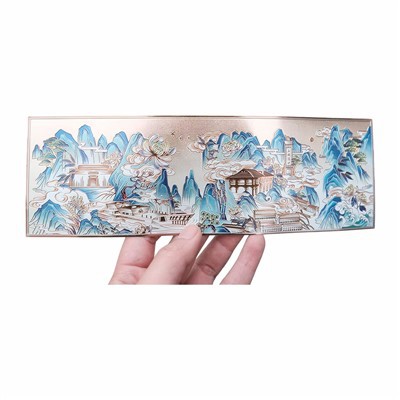
First, let’s talk about why aluminum is the go-to material for labels in the first place. I’ve heard so many people ask, “Why not just use vinyl or plastic labels? They’re cheaper.” The short answer is: vinyl and plastic labels break down fast when exposed to harsh conditions. Aluminum, on the other hand, has a built-in protective layer. When aluminum is exposed to oxygen in the air, it forms a thin, invisible oxide layer on its surface that’s about 4 nanometers thick. That layer is what keeps the metal from corroding, scratching, or fading—at least, under the right circumstances. But that oxide layer isn’t indestructible. It can break down if the environment is too aggressive, which is where the lifespan of your label changes drastically.
Let’s start with the most common environment our clients ask about: indoor, mild settings. This is things like office equipment, retail product labels, medical device packaging that stays in a climate-controlled warehouse, or machinery inside a standard factory. In these conditions, aluminum labels last a really long time—we’ve seen labels that we supplied in 2011 for a hospital’s surgical tool trays still look crisp and legible last year when they did an inventory check. Why? No extreme temperature swings, no moisture, no salt, no UV rays to eat away at that oxide layer. The only thing you have to worry about in mild indoor settings is physical abrasion. If a label is on a part of a machine that gets banged around by other tools, it might scratch, but the metal itself won’t corrode. Under these conditions, a high-quality aluminum label can easily last 15 to 20 years, sometimes longer. We supply a lot of electronics manufacturers for this exact reason—their product labels need to stay readable for the entire lifecycle of the device, which is often 10 years or more, and aluminum labels deliver that without fading.
Now, move to outdoor, mild to moderate environments—think suburban backyard signs, garden equipment, outdoor furniture, or delivery crates that only get exposed to weather a few days a week. Here, aluminum labels start to face a new challenge: UV radiation. The sun’s ultraviolet rays break down the oxide layer on aluminum over time, and if your label has printed text or a logo, the ink will fade too. How long do these labels last? In a suburban environment with moderate sun exposure—like a sign for a neighborhood hardware store—we’ve seen labels last 8 to 10 years before the text starts to look faint, and the metal still holds strong. But if that same label is in a area with intense sun, like the Arizona desert? That lifespan drops to 3 to 5 years. I remember a client who installed custom aluminum labels on their picnic tables at a campground in Texas; within two years, the sun had bleached the black ink on the labels so much you could barely read “Picnic Area 7.” The trick here is the coating we apply to our outdoor aluminum labels. We use a UV-resistant clear powder coat that adds an extra layer of protection against sun damage. Those same campground labels, when we re-supplied them with our UV-coated version, are still bright and legible after four years. That coating is what makes the difference between a label that fades in two years and one that lasts a decade outdoors.
Next, the tough stuff: industrial and coastal environments. This is where most label clients run into problems, like that port fleet client I mentioned earlier. Industrial environments include places like manufacturing plants with high humidity, chemical fumes, or regular exposure to oils and greases. Coastal environments are salt spray, constant humidity, and wind that carries salt particles, which are basically tiny corrosive sandblasters for metal. I can’t tell you how many times I’ve gotten a call from a client who used a cheap aluminum label from another supplier, only to have it corrode completely within a year in these settings. So what’s the real lifespan here? For industrial environments with chemical fumes or regular grease exposure, a standard aluminum label will last 1 to 3 years before the oxide layer breaks down, and the label starts to pit or peel. But if you upgrade to a marine-grade aluminum alloy and a protective coating, you can extend that lifespan a lot. Marine-grade aluminum (like 5052 alloy) has a higher chromium content, which makes its oxide layer much more resistant to salt damage. When we coat these marine-grade labels with a chemical-resistant powder coat, the lifespan jumps to 5 to 7 years in coastal industrial settings. That port fleet client I talked about? We switched them to our marine-grade aluminum labels with a heavy-duty epoxy coating, and after 18 months, their labels are still holding strong—no flaking, no corrosion, no faded text. The key here is matching the alloy and coating to the specific environment, not just grabbing the cheapest aluminum label off a shelf.
Wait, let’s not forget about underwater environments. A lot of our clients work in marine construction, aquaculture, or water treatment plants, where labels are submerged in saltwater or freshwater 24/7. This is another extreme that most people don’t think about. In freshwater, aluminum labels hold up surprisingly well—we’ve supplied labels for aquaculture net pens that have been submerged in lake water for 6 years, and they’re still legible. But saltwater is a different story. Saltwater is electrolytic, which means it speeds up corrosion on metal. A standard aluminum label submerged in saltwater will start to corrode within 12 to 18 months, and the label will break down entirely within 2 to 3 years. Again, the solution here is marine-grade aluminum and a special coating designed for submerged use. We offer a two-part epoxy coating that bonds to the aluminum so tightly it won’t peel even after years underwater. For a client who installs labels on offshore wind turbine foundations, those labels have lasted 8 years so far, with no signs of corrosion. That’s the kind of longevity you need when you’re working on infrastructure that’s meant to last 20 years or more.
Now, let’s address a common myth I hear all the time: “Aluminum labels will last forever, no matter what.” That’s just not true. I had a client a few years back who put our standard aluminum labels on a set of heavy equipment that worked in a steel mill, where it was exposed to hot metal sparks every shift. The labels only lasted 6 months before the sparks burned through the coating and the oxide layer, leaving the aluminum pitted and the text unreadable. That’s a whole other category: high-temperature environments. If your label is going to be exposed to temperatures over 200 degrees Fahrenheit regularly—like on oven doors, furnace controls, or engine parts—standard aluminum labels won’t cut it. At high temperatures, the oxide layer on aluminum actually thickens, but it can also crack when temperatures fluctuate. For these applications, we use heat-resistant aluminum alloys and high-temperature ceramic coatings. Labels on industrial ovens we supplied last year are still intact after 12 months, exposed to 500-degree heat daily. Without that special coating, labels would turn black and disintegrate within a few weeks.
So what’s the takeaway from all this? As an aluminum label supplier, I’ve learned over the years that the biggest mistake clients make is assuming all aluminum labels are the same. The lifespan of your label depends on three main factors: the aluminum alloy it’s made from, the protective coating applied to it, and the conditions it’s exposed to. You can’t use a standard office label in a coastal port and expect it to last 5 years, just like you can’t use a marine-grade label for a retail product shelf and overpay for unnecessary protection.
Let me give you a quick breakdown to reference, based on what we’ve seen with our products:
- Mild indoor environments (warehouses, office equipment, climate-controlled spaces): 15-20+ years (standard 3003 alloy, clear acrylic coating)
- Outdoor mild environments (suburban signs, garden equipment): 8-10 years (standard 3003 alloy, UV-resistant powder coat)
- Outdoor extreme sun (deserts, open fields): 3-5 years (standard 3003 alloy, heavy UV powder coat)
- Industrial environments (chemical fumes, grease): 3-5 years (5052 alloy, chemical-resistant epoxy)
- Coastal environments (salt spray, high humidity): 5-7 years (5052 marine alloy, marine-grade powder coat)
- Submerged environments (fresh/saltwater): 5-8 years (5052 marine alloy, two-part epoxy coating)
- High-temperature environments (ovens, engines): 2-5 years (heat-resistant alloy, ceramic coating)
I’ve also seen a lot of clients try to cut costs by going with a cheaper label, only to end up replacing them every couple of years, which ends up costing more in the long run. For example, that port fleet client I mentioned earlier? They originally bought $0.50 vinyl labels that lasted 6 months, costing them $12,000 a year in replacements. When they switched to our marine-grade aluminum labels at $2 each, the cost was $24,000 upfront, but those labels last 5 years, so over 5 years, they spend $24,000 vs. $60,000 on vinyl. That’s a 60% savings over time, plus no downtime having to swap out labels on 200+ delivery crates. The math doesn’t lie, and that’s why we work so hard to match the right label to each client’s specific needs.
One thing I always emphasize to new clients is that we don’t just sell labels—we offer advice. A lot of suppliers will just sell you whatever you ask for, even if it’s the wrong fit for your environment. Over the years, I’ve talked to a small farm owner who was buying aluminum labels for their irrigation system, thinking more expensive was better. Turns out, their labels were in a mild agricultural environment, and the heavy marine coating we’d suggested was unnecessary, adding 30% to their cost. So now, we ask questions: Where will the label be installed? What kind of temperature and moisture is it exposed to? Will it be near chemicals or salt? Only after we get those answers do we recommend the right alloy and coating to fit their needs, not just our product catalog.
I’ve also had the chance to test labels in extreme conditions ourselves. A few years ago, I set up a small test plot in my backyard with labels from every alloy and coating we supply, and they’re monitored every six months. The ones on my garden fence, exposed to full Texas sun, are still bright after four years. The label I put in a bucket of saltwater last year? It’s holding strong so far, no corrosion. That hands-on testing is why I can speak about this with confidence—this isn’t just textbook science; it’s real-world experience from years of working with clients across every industry.

At the end of the day, the lifespan of an aluminum label is a balance between material science and application. There’s no one-size-fits-all answer, but with the right information, you can choose a label that will last as long as you need it to, without overspending on unnecessary features. If you’re tired of replacing labels that fade, corrode, or fall apart too quickly, we can help you pick the perfect aluminum label for your environment. Whether you need labels for a shipping fleet, medical equipment, outdoor signage, or marine infrastructure, we have the experience to match your needs to the right product. Reach out to our team to discuss your project, and we’ll provide a tailored solution that fits both your timeline and budget.
Epoxy Sticker References:
- Aluminum Association. (2022). Aluminum Corrosion and Protection. Retrieved from industry technical publications on aluminum material science.
- ASTM International. (2019). Standard Test Methods for Measuring the Corrosion Resistance of Aluminum Alloys.
- Powder Coating Manufacturing Association. (2021). UV-Resistant and Chemical-Resistant Coating Performance for Outdoor Metal Applications.
- International Organization for Standardization (ISO). (2020). ISO 11507: Paints and Varnishes—Accelerated Weathering Exposure of Coatings Using Fluorescent UV Lamps.
Guizhou Mingguan Sign Nameplate Products Co., Ltd.
We’re well-known as one of the leading aluminum label manufacturers and suppliers in China. With abundant experience, we warmly welcome you to wholesale bulk customized aluminum label at low price from our factory. For quotation and free sample, contact us now.
Address: Xinpu New District, Zunyi City, Guizhou Province of China
E-mail: zhangyixuanmglabel@126.com
WebSite: https://www.mingguan-label.com/
