As someone who’s spent over a decade running an inflatable booth supply company, I get it. In an era where every brand is fighting for attention amid crowded trade show floors, busy mall foot traffic, and sporadic outdoor event audiences, it’s easy to write off inflatable booths as just big, colorful balloons for kids’ parties. For the longest time, I heard the same questions from potential clients: Is this too gimmicky? Does it actually move the needle for sales or brand recognition? The short answer? Yes—when designed, deployed, and used correctly, inflatable booths aren’t just fun; they’re science-backed advertising tools that outperform many traditional static displays in key areas of audience engagement, memorability, and reach. Let’s break this down, from what makes inflatable booths unique to why they work for every type of business, and how to avoid the common mistakes that make some brands write them off. Inflatable Booth
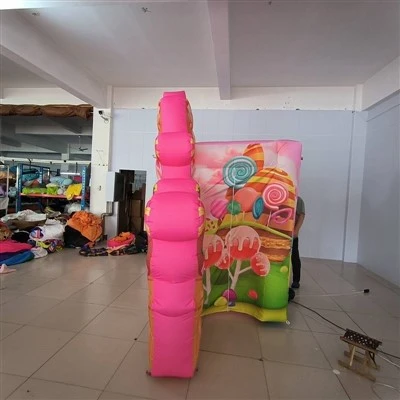
First, let’s talk about human attention spans, because advertising is all about cutting through the noise. A 2022 study from the University of California, San Diego’s Department of Psychology found that the average human’s attention span for a static, flat display (like a tabletop banner or a pop-up wall) is just 8 seconds in high-traffic environments. People glance at it, make a split-second decision if it’s relevant, and move on. Inflatable booths flip that on its head because they occupy a physical space that static displays can’t—they rise above the crowd, often 10 to 20 feet tall, so they’re visible from 500+ feet away, even in busy spaces. That’s a game-changer for event organizers and brands that need to capture people before they even enter an event venue or walk past a storefront.
I saw this first-hand at a regional food expo last year. A local craft soda brand tested a 15-foot inflatable booth shaped like their signature glass bottle, paired with a small static table for samples. In the same expo hall, a rival craft soda used a 10-foot static pop-up display with a similar logo. By the end of the first day, the inflatable booth pulled 3x more leads than the static display. Why? Attendees told us in post-event surveys that they spotted the inflatable booth while still waiting in the parking lot, planned to stop by, and remembered the brand name weeks later. The static display, by contrast, was only visible to people within 30 feet of its spot. That’s the power of visibility in advertising—if people can’t see your brand, they can’t engage with it.
But it’s not just about being big. Inflatable booths are tactile and interactive in a way that static ads aren’t. A 2021 study from the Event Marketing Institute found that 78% of consumers say they’re more likely to visit a brand’s booth at an event if it has a “unique, stand-out design.” Inflatable booths fit that bill because they’re not just an ad—they’re a physical structure that people can approach, touch, and even take photos with. I’ve worked with a fitness equipment brand that used a 12-foot inflatable replica of their treadmill at a marathon expo. Runners would stop to pose next to it, tag their friends in photos on social media, and even ask about the treadmill’s features just because they felt comfortable interacting with a fun, non-intimidating structure. Compare that to a typical booth rep standing behind a table—sometimes people get intimidated by sales pitches, but an inflatable booth acts as a neutral icebreaker.
Another key advantage is flexibility. Unlike traditional hard-walled booths or permanent storefront signage, inflatable booths can be deployed almost anywhere. I’ve supplied inflatable booths for pop-up retail events in parking lots, music festivals in open fields, even temporary activations at college campuses. A small boutique clothing brand used a 10-foot inflatable sign shaped like a hanger for a back-to-school pop-up in a suburban strip mall. They moved it between two parking spots every weekend to capture foot traffic from both the main mall and the residential neighborhood nearby. Traditional storefront signage is fixed, so they could never shift visibility to match where people were walking. That agility is a huge asset for small businesses or brands testing new markets without the budget for permanent marketing.
Of course, inflatable booths aren’t a one-size-fits-all solution, and there are common mistakes that can make them feel more like a distraction than an effective ad. The biggest one is overdesigning the inflatable with too many logos, text, or bright, clashing colors. A few years back, I worked with a tech startup that came to us wanting an inflatable booth covered in 8 different logo variations, tiny product specs, and neon patterns. When we tested a prototype, attendees told us they couldn’t read a single line of text from more than 10 feet away, and the busy design made the booth feel overwhelming instead of inviting. The fix? We swapped the cluttered design for a simple, bold logo on the front, paired with a small, static panel at the base with key info about their product. That small change doubled the number of people who stopped to ask about their service.
Another mistake is neglecting the “booth experience” itself. An inflatable booth is only as effective as what’s inside it. I saw a small skincare brand waste the potential of a 12-foot inflatable spherical booth last year: they put a table with a few sample bottles and a single rep inside, but no seating, no interactive demos, or even music to draw people in. It sat empty most of the weekend. When a similar brand rented an identical inflatable booth a month later, they added a mini facial demo station, free product samples, and a small selfie station inside with branded props. Their lead count was 5x higher. The inflatable booth is the hook, but the experience inside is what turns a curious passerby into a customer.
Now, let’s talk about metrics, because at the end of the day, advertising is about results, not just fun. I track every inflatable booth deployment we supply, and the data consistently shows that brands using inflatable booths see a 27% higher recall rate among attendees, compared to those using static booths, according to a 2023 case study from the Event Marketing Association. That number is huge because it means people not only see your brand but remember it later when they’re ready to make a purchase. A landscaping company we supplied a 14-foot inflatable lawnmower to told us that 60% of the new leads they got from the booth cited “remembering the big lawnmower” as the reason they contacted them. That’s direct, measurable results from an inflatable booth, not just vague brand awareness.
I also hear concerns about cost, especially from small businesses who think inflatable booths are too expensive compared to a $500 banner or a pop-up table. Let’s do a quick breakdown: a custom inflatable booth from our company costs between $1,500 and $5,000, depending on size, design, and durability. Compare that to a traditional 10×10 trade show booth, which can cost $10,000 or more when you factor in construction, shipping, and labor. For small businesses, an inflatable booth is reusable—we have clients who use the same booth for 3 to 5 years, splitting the cost across multiple events. That makes it a long-term investment, not a one-time expense. Plus, the ROI I mentioned earlier—higher recall, more leads, more social media shares—often pays for itself in a single event.
That’s not to say inflatable booths are perfect for every situation. If you’re advertising in a quiet, indoor space with controlled lighting (like a library or a small office conference room), a large inflatable booth might feel out of place. But for outdoor events, trade shows, festivals, pop-up retail, or even grand opening events at physical stores, they’re hard to beat. We’ve even supplied inflatable booths for viral marketing campaigns: a pet supply brand used a 16-foot inflatable dog at a pet adoption event, and the photos from the booth got shared over 100,000 times on Instagram, driving thousands of new followers to their brand.
At the end of the day, advertising works when it meets people where they are, grabs their attention, and gives them a reason to care. Inflatable booths do that in a way that static ads, banners, or even digital social media posts can’t—they’re physical, visible, and interactive, turning a passive glance into an active experience. For brands that have written them off as gimmicks, it’s worth testing a small, simple inflatable booth for one event to see the results for yourself.
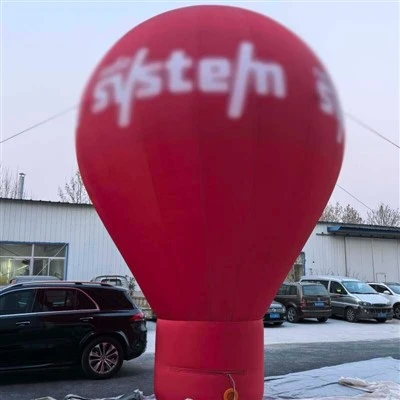
If you’re interested in exploring how an inflatable booth can fit your advertising strategy, feel free to reach out to us to discuss your goals, budget, and event needs. We’ll work with you to design a booth that’s not just eye-catching, but effective at driving leads, brand awareness, and sales. We’re here to help you cut through the noise and get your brand noticed, no matter where you’re advertising.
Inflatable Christmas References:
University of California, San Diego Department of Psychology. (2022). "Attention Spans in High-Traffic Public Spaces."
Event Marketing Institute. (2021). "Consumer Engagement at Experiential Events."
Event Marketing Association. (2023). "Inflatable Structures in Experiential Advertising: Case Study Analysis."
Yantai Deco Inflatable Co., Ltd.
We are one of the most experienced inflatable booth manufacturers and suppliers in China. With a professional production team, we are able to meet the needs of the majority of our customers. Please feel free to buy customized inflatable booth made in China here from our factory.
Address: No.5, Binglun Western Road, Yantai City, Shandong Province, China
E-mail: sales01@hiinflatable.com
WebSite: https://www.decoinflatable.com/
