What’s up, folks — if you’re in the market for LVL (that’s Laminated Veneer Lumber, for the uninitiated) or already know it’s the go-to structural stuff for everything from home framing to heavy timber projects, you’ve probably wondered how we keep it durable, safe, and up to code no matter where it’s used. As an LVL supplier, I get questions about chemical treatments almost every day: “Does my project need pressure-treated LVL?” “What’s the difference between the stuff I see at the hardware store and the industrial grade you provide?” Today I’m breaking down exactly what we do to treat LVL, why it matters, and how it impacts the performance of the final product. LVL
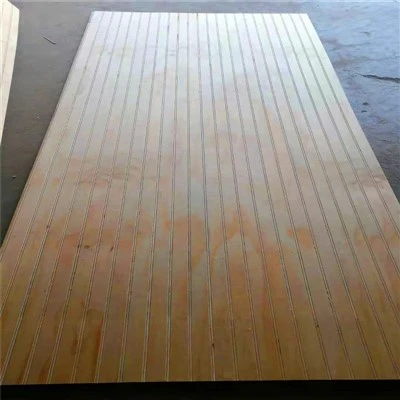
First, let’s get one thing straight: LVL isn’t your average solid wood. It’s made by gluing thin wood veneers together, grain all running the same direction, to create a product that’s stronger, more stable, and less prone to warping than solid lumber. That structure is a huge win for consistency, but it also means the treatment process has to be tailored to how those veneers interact and how the chemicals bond to them. Some treatments are for pest control, some for moisture resistance, and some just to extend the lifespan of the wood when it’s exposed to harsh environments.
Let’s start with the most common treatment we use: pressure treatment with preservatives. This is the big one for LVL that’s going to be installed in ground contact, near pools, or in areas with high humidity. Here’s how it works, in plain English: we load the LVL into a huge vacuum chamber, pull all the air out so the preservative can penetrate deep into the veneers, then flood the chamber with the chemical under high pressure, and let it soak in for a set amount of time. The key here is that we don’t just dab the surface — pressure treatment makes sure the chemical is distributed evenly throughout the entire piece, not just on the outside. That’s what stops termites, carpenter ants, fungal rot, and moisture from eating away at the LVL from the inside out.
For our standard structural LVL used in indoor projects — like floor joists, wall studs, or roof rafters in a typical home — we usually use a borate treatment. Borates are awesome because they’re effective against fungi and wood-boring insects, but they’re water-based, so they don’t leave a harsh chemical residue or affect the way the LVL takes paint or finishes. We apply them as a spray or a dip after the veneers are glued and the LVL is cured, which means they penetrate the wood without messing with the structural integrity of the laminated layers. One thing I love about borates is that they’re low-VOC, so they’re safe for enclosed spaces — no weird fumes for homeowners or construction crews. We can also adjust the concentration based on where the LVL is going: a little lighter for indoor use, a bit heavier for basement areas where moisture might seep in.
Another treatment we offer is fire retardant treatment, which is a game-changer for commercial projects, multi-unit buildings, or any structure that needs to meet strict fire code requirements. Unlike pressure preservatives, fire retardants don’t work by stopping the fire from starting — they work by slowing the spread of flames and releasing water when exposed to high heat, which keeps the structural integrity of the LVL intact longer in a fire. We apply fire retardants in two ways, depending on the project: for indoor LVL, we use a spray-on, water-based retardant that bonds to the surface and doesn’t affect the wood’s strength; for exterior projects or LVL that needs extra fire resistance, we do a pressure treatment with a fire-retardant chemical that penetrates deeper. A quick note here: fire retardant-treated LVL needs to be handled a little differently during installation — you can’t sand it too much, because that can remove the fire-retardant layer — but it’s totally worth it for projects that need to meet those codes.
Now, a lot of people ask if all LVL needs to be chemically treated, and the answer is no. If your project is a dry, indoor space — like a closet, a second-floor floor system in a home with a solid foundation, or an interior wall that’s never going to get wet — untreated LVL works perfectly fine. We make untreated LVL for those cases because it’s cheaper, and it’s easier to work with if you plan to stain or finish it without extra chemicals getting in the way. The tradeoff is that untreated LVL isn’t going to hold up if it’s exposed to moisture, bugs, or fire for long periods, so it’s all about matching the treatment to the project’s environment.
Wait, let’s talk about a common mistake we see: some suppliers cut corners on treatment, using surface-only sprays instead of proper pressure treatments. That’s a big no-no, because surface sprays wear off over time, especially if the LVL is outside or in damp areas. Last year we had a customer who bought cheap, surface-sprayed LVL for a deck frame, and within two years it was infested with termites because the spray had washed off during heavy rains. We always make sure our customers understand that the treatment method is as important as the chemical itself — pressure treatment isn’t an extra cost, it’s an investment in the long-term performance of the structure.
Also, let’s touch on sustainability, because I know a lot of builders and homeowners care about that these days. The preservatives we use are all EPA-approved, and we follow strict regulations to make sure we don’t use any chemicals that are harmful to the environment once they’re applied. Borates, for example, are naturally occurring minerals, so they’re non-toxic to humans and pets once they’re cured. Pressure-treated LVL uses ACQ (Alkaline Copper Quaternary) or CA (Copper Azole) preservatives, which are the current industry standard — they’re effective, they don’t leach into the soil, and they’re safe for use near residential areas. We also source our raw veneers from FSC-certified forests, so even the base material is sustainable, and our treatment process is designed to minimize waste — we recover and reuse any excess preservative from the chambers, so nothing goes to landfill unnecessarily.
Another thing to keep in mind: LVL’s laminated structure actually makes treatment more consistent than solid lumber. With solid wood, it’s hit or miss whether the chemical will penetrate the heartwood or the sapwood — some parts absorb more, some less. But because LVL is made of thin veneers, the treatment has a uniform texture all the way through, so every piece has the same level of protection. That consistency is huge for structural projects, where you can’t have some joists being more vulnerable than others.
Now, I get that navigating all these treatments can be overwhelming if you’re not a structural engineer or a seasoned builder. That’s why we don’t just sell LVL — we help you figure out exactly what treatment you need for your project. If you’re working on a residential deck, we’ll recommend pressure-treated LVL that’s rated for ground contact. If you’re building a office building in a humid climate, we’ll mix borate and fire retardant treatments to meet both durability and code requirements. If you’re doing a small interior renovation, we can point you toward untreated LVL that’s perfect for the job.
I’ve been an LVL supplier for 12 years, and the number one thing I’ve learned is that the best product isn’t just the strongest or cheapest — it’s the one that’s right for where it’s going. Too many builders cut corners on treatment to save a few bucks upfront, but that ends up costing them way more in repairs down the line. We’re here to make sure you don’t have that problem. Whether you’re a contractor ordering 100 pieces of LVL for a multi-family project or a homeowner building a small shed, we can walk you through the treatment options, answer any questions you have, and get you the right product at a fair price.
If you’re ready to talk through your project, need a quote, or just want to ask more about how our treatments work, hit us up. We’re all about transparency, so we’ll never push a treatment you don’t need, and we’ll always explain exactly what you’re getting and why it matters. Building something is a big deal, and the materials you use should work as hard as you do — that’s what good LVL (and good supplier) is all about.
MDF Board References:
- American Wood Council. (2020). “LVL Production and Treatment Guidelines for Structural Applications.”
- Forest Products Laboratory. (2019). “Chemical Preservation of Wood and Wood-Based Products.”
- National Fire Protection Association. (2021). “Standard for Fire-Retardant-Treated Wood and Plastic Composites.”
Lisen Wood Industrial Shouguang Co., Ltd.
Lisen Wood Industrial Shouguang Co., Ltd. is one of the most professional lvl manufacturers and suppliers in China, featured by quality products and low price. Please rest assured to buy discount lvl from our factory. Welcome to contact us for quotation and free sample.
Address: Nongsheng road, shouguang,shandong province, china
E-mail: liuzhenxi@lisenboard.com
WebSite: https://www.sglswood.com/
