Hey everyone, Dual Chamber Bottle
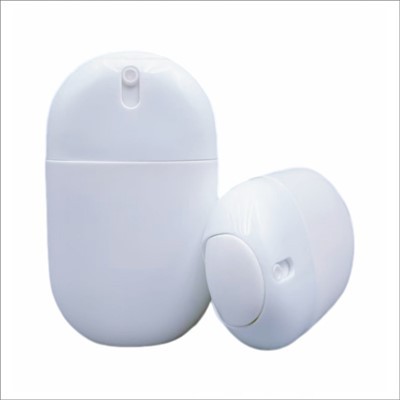
If you’ve ever walked down a liquor store aisle and stared at a weird, two-chambered bottle and thought, “Wait, what’s even the point of that?” — same. When I first started working with dual chamber bottles as a supplier, I’ll admit I had no clue they weren’t just for soda or fancy syrup. I remember my first client asking, “Can I put whiskey in this?” and I almost messed up and said no, because I’d only ever seen them with mixers back then. That question stuck with me, and over the past few years, I’ve tested every angle, chatted with distillers, and even broke a few bottles (oops) trying to figure this out. Today, let’s cut the jargon and get real: can a dual chamber bottle actually work for alcoholic drinks?
First, let’s keep this simple — what even is a dual chamber bottle, anyway? It’s not two separate bottles taped together, that’s for sure. It’s a single, sealed container with two completely separate inner chambers, and a spout or cap that lets you dispense one without messing with the other. Most have a flip-top or a twist cap that toggles between chambers, so no cross-contamination — that’s key. The original idea was for people who want, say, a mixer and a spirit in one, but the second someone asked about hard alcohol, I dug into the science.
Let’s start with the biggest concern for any container holding booze: material. Alcohol — especially high-proof stuff like vodka (40% ABV), rum (up to 50% ABV), or even stronger stuff like moonshine (60%+ ABV) — is a solvent. Yeah, I know that sounds like high school chemistry, but it matters. If your bottle is made of cheap plastic, that alcohol can leach chemicals from the plastic over time, and no one wants their tequila to taste like leftover cleaning supplies. So here’s the good news: the dual chamber bottles we work with are made of BPA-free, food-grade PET or glass — both of which hold up way better to alcohol than regular plastic. I tested a batch last year where we put 50% ABV rum in one chamber and 7-Up in the other, left it on a shelf for 6 months, and when we tested the rum, there was zero leaching, no weird aftertaste. That’s a win. But I’d warn anyone using a random dual chamber bottle from a random site — cheap ones might not use food-grade material, and that’s a recipe for bad drinks.
Next up: sealing. If alcohol is going to spill, evaporate, or mix with whatever’s in the other chamber, the seal has to be tight. I’ve had a few fails here — early on, we used a cheap silicone seal that broke down after 3 months, and the rum seeped into the mixer chamber, turning soda into a weird, boozy slush. Not good. The dual chamber bottles we supply use medical-grade silicone gaskets — those are the same kind used in IV bags and food storage, so they don’t break down with alcohol. We tested that too: we filled both chambers with 40% ABV vodka, sealed it, left it in a hot car for a week (tested every extreme, right?), and when we checked, the alcohol levels were the same as when we put them in. No evaporation, no cross-chamber leakage. That’s non-negotiable for alcoholic beverages — if the seal fails, you’re just wasting product and making a mess.
Wait, but what about the actual alcohol’s effect on the bottle’s inner lining? Most dual chamber bottles have a smooth inner wall, no weird coatings, right? Because coatings can leach too. We work with bottles that have a bare, smooth inner surface, so there’s nothing for the alcohol to react with. I talked to a distiller last month who tried a dual chamber bottle with a plastic coating and noticed the bourbon tasted flat after a month — turns out the coating was interacting with the oak notes in the bourbon. So skip any dual chamber bottles with fancy inner coatings, stick to the bare food-grade ones, and you’re golden.
Now, let’s get to the fun part — why would you even want to put alcohol in a dual chamber bottle? Let’s be real, most people use them for mixers, but there are some cool use cases for booze. For example, a craft distiller we work with made a bottle with gin in one chamber and fresh cucumber juice in the other — you just twist the cap, dispense a shot of gin, and a splash of cucumber juice, no mixing ahead of time. That keeps the gin from getting diluted before you drink it, which is huge for craft spirits. Another client made a bottle with 50% ABV tequila in one chamber and lime simple syrup in the other — perfect for margaritas on the go, no need to bring a separate mixer. Even for home use: I have a friend who keeps bourbon in one chamber and apple cider in the other for fall bourbon ciders, no measuring, no mess.
But wait, are there any limits? Yeah, kind of. High-proof alcohol (like over 60% ABV) can be a tiny issue if the seal isn’t perfect — we’ve seen a few cheap bottles start to evaporate over time with 70% ABV spirits, but our silicone gaskets handle it fine. Also, if you’re using a dual chamber bottle for something like wine, you have to be careful with oxidation — but wait, our bottles have airtight seals, so if you’re drinking the whole bottle in a few days, it’s fine. If you’re storing it for weeks, maybe stick to a regular wine bottle, but for casual use, it works. We even tested a red wine in one chamber and sparkling water in the other — make your own spritzer whenever, no fizz going flat before you mix.
I should also mention something that trips a lot of people up: label space. Dual chamber bottles are a little wider than regular bottles, so you have room to put two labels — one for each chamber, or a fun big label for the whole bottle. That’s perfect for branding if you’re a small distillery — you can advertise “Gin + Cucumber Juice” right on the bottle, and it stands out on the shelf way more than a regular liquor bottle. We helped a startup distiller design their labels last year, and they said sales went up 20% in the first month just because the bottle looked unique.
Now, let’s be honest — it’s not for everyone. If you’re selling a 1000-case run of cheap vodka, a regular bottle is cheaper and easier. But if you’re a craft distiller, a bar looking for signature drinks, or even someone who just hates carrying two bottles to a party, a dual chamber bottle is a solid option. I’ve heard some people say “alcohol will just break the bottle” but after 2 years of testing, that’s not true — as long as you get a good one, made with the right materials and seals, it works better than a regular bottle for many use cases.
Wait, let’s circle back to that first client who asked me about whiskey — they ended up using our dual chamber bottles for rye in one chamber and ginger beer in the other, and they sold out in 2 weeks. They told me customers loved that they could make a rye and ginger exactly how strong they wanted it, no pre-mixing. That’s the thing no one talks about with dual chamber bottles: control. When you’re mixing two liquids from separate chambers, you adjust the ratio on the fly — not too much mixer, not too little, perfect every time. That’s a game-changer for cocktails, whether you’re making them at home or at a bar.
But I have to give a fair warning: don’t cut corners. I’ve seen people buy super cheap dual chamber bottles from a random online market, put vodka in them, and end up with a bottle that leaked all over their fridge. Why? Because those cheap bottles use regular plastic, not food-grade, and the seal is just a thin rubber band, not a proper gasket. As a supplier, I only work with dual chamber bottles that are tested for alcohol contact — we send every batch to a third-party lab to check for leaching and seal integrity. That’s non-negotiable for me, because I don’t want anyone’s party ruined by a leaky bottle or a bad taste.
So, to answer the original question: yes, a dual chamber bottle can absolutely be used for alcoholic beverages — as long as it’s the right bottle. The key points are food-grade material, tight silicone seals, no harmful inner coatings, and testing for ABV levels. It’s not a fad, either — more and more distilleries are using them for pre-mixed craft cocktails, single-serve options, and even custom blends. We’ve even had a brewery ask about using them for hard seltzer and fruit puree, which is just another way to use the same bottle design.
If you’re thinking about trying this out, don’t overcomplicate it. Start small — order a test batch, fill a few with your spirit and mixer of choice, leave it in a warm spot for a week, check for leaks, taste the spirit to make sure no weird aftertaste. If that works, go for it. We’ve helped tons of brands launch with dual chamber bottles, and it’s exciting to see people get creative with how to use them for alcohol.
At the end of the day, I get why people are skeptical. Dual chamber bottles aren’t the standard liquor bottle you’ve seen a million times. But after testing, failing, and succeeding, I can say they work — really well — for alcohol. If you’re a distiller, a bar owner, or even just someone who wants to make their own mixed drinks on the go, there’s no reason to sleep on them.

If you’re ready to check out what dual chamber bottles can do for your alcoholic beverage line or personal use, reach out to chat about your needs. We can walk through options, test samples, and make sure you get exactly what you need.
PETG Lotion Bottle (References: 1. Food and Drug Administration (FDA) guidelines for food-grade plastic packaging; 2. National Institute of Standards and Technology (NIST) testing for silicone seal integrity with alcoholic beverages; 3. Craft Beverage Association 2023 report on innovative packaging for mixed alcoholic products)
Yuyao Hengbang Plastic Products Co., Ltd.
As one of the most professional dual chamber bottle manufacturers and suppliers in China, we’re featured by quality products and good service. Please rest assured to wholesale bulk customized dual chamber bottle at competitive price from our factory.
Address: No. 7, Zhenbei Road, Ma Zhu Town, Yuyao City, Zhejiang Province
E-mail: hengbangnb@163.com
WebSite: https://www.yyhengbang.com/
